Coastal Georgia
Crawl Space Encapsulation & Moisture Control in Savannah, GA
Savannah's crawl space problem is humidity first and water a close second. High dew points for most of the year, low elevations and a shallow water table make coastal crawl spaces the hardest in the state to keep dry.
Why coastal humidity changes the approach
Inland, a sealed crawl space with a good liner often gets most of the way there. On the coast it rarely does. Savannah spends a long stretch of the year with outdoor dew points in the seventies, and that moisture load finds every unsealed edge, vent and hatch.
The practical consequence is that dehumidification is not an optional add-on here — it is usually the difference between a crawl space that reads 55% and one that reads 75% in August. Capacity has to match the real load, not a generic square-footage table.
- Long high-dew-point season keeping the moisture load elevated
- Low-lying lots where groundwater sits close to the crawl space floor
- Sandy coastal soils that drain differently from Piedmont clay
- Tidal and storm-driven flooding events in some neighborhoods
- Salt-laden air accelerating corrosion on metal components
- Historic homes with masonry piers and very limited clearance
What we install in Savannah crawl spaces
- Heavier reinforced vapor barriers with fully sealed seams and wall terminations
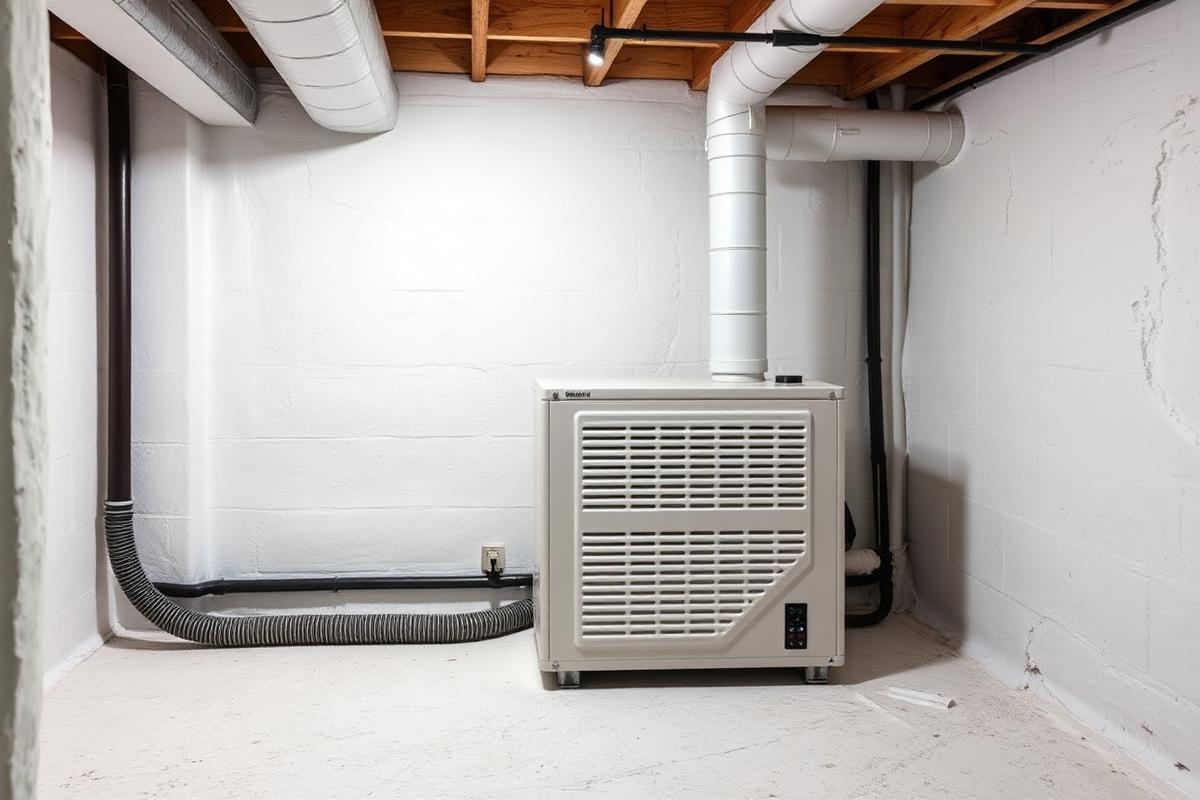
- Crawl space dehumidifiers sized for coastal moisture loads, with reliable condensate routing
- Drainage and sump systems where groundwater reaches the crawl space floor
- Full encapsulation including vent closure and rim joist sealing
- Repair work for framing and insulation that coastal humidity has already affected
Groundwater versus humidity: telling them apart
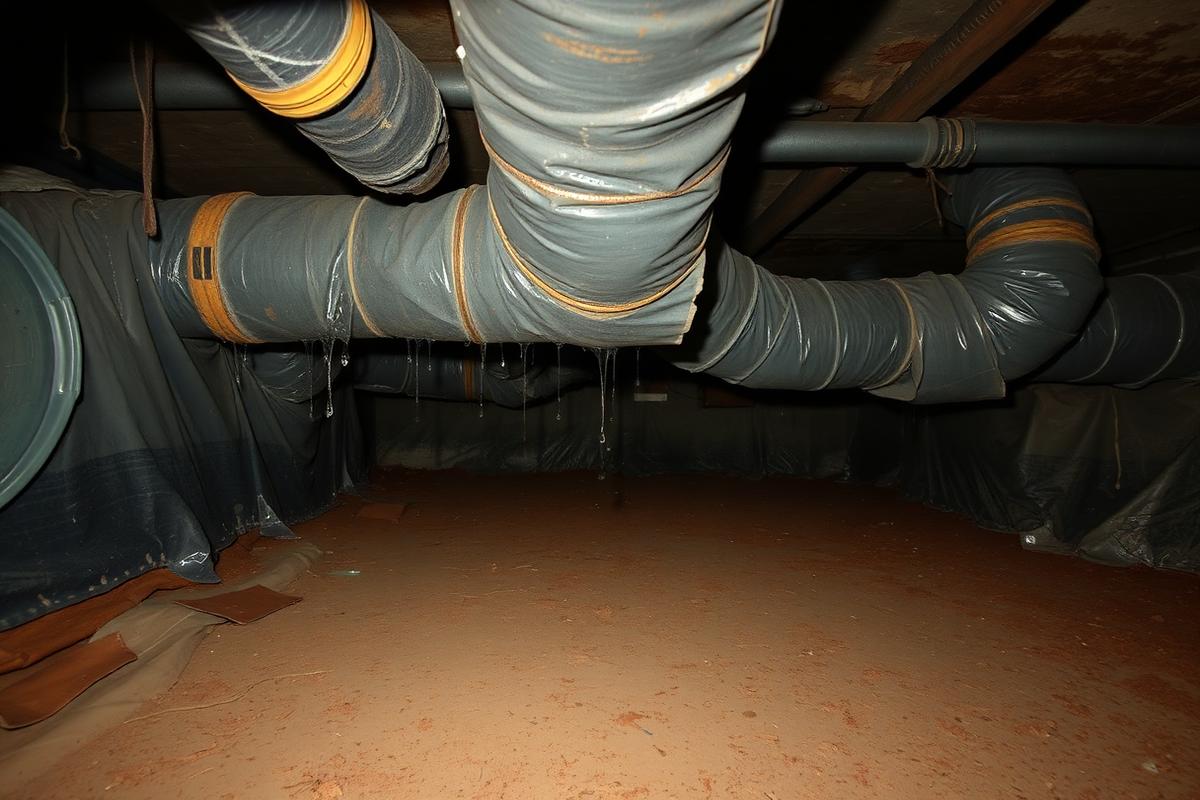
In Savannah both can be present at once, and the fix for each is different. Visible water on the soil after a wet stretch points to groundwater and calls for drainage. Dry soil with sweating ducts, damp joists and a heavy smell points to humidity and calls for sealing and dehumidification. We measure rather than assume, because paying for the wrong one is expensive.
Coastal Humidity Winning Under Your House?
We take readings first so the dehumidification capacity matches Savannah's actual moisture load.
Request an InspectionOur coastal inspection sequence
- 1Record relative humidity and wood moisture readings before anything else.
- 2Check the soil surface for standing water, silt lines and evidence of past flooding.
- 3Assess elevation and how the lot drains relative to surrounding grade.
- 4Inspect metal components for corrosion as an indicator of long-term moisture.
- 5Evaluate clearance and access, which drive equipment choices in historic homes.
- 6Specify drainage, sealing and dehumidification capacity in one written scope.
Areas we serve near Savannah
We work across Chatham County and the surrounding coastal communities, including neighborhoods with historic pier foundations and newer low-country subdivisions where the water table sits high.
Savannah crawl space questions
- Does the coastal water table affect Savannah crawl spaces?
- It does. Low elevations near the marsh and river mean groundwater can sit close to the crawl space floor, especially after sustained rain or high tides. That pushes projects toward drainage and sump systems rather than grading alone.
- Is a dehumidifier necessary in Savannah?
- More often than anywhere else in the state. Coastal dew points stay high for a long season, so even a well-sealed crawl space usually needs mechanical dehumidification to hold readings in range.
- What about salt air and corrosion?
- Coastal air is harder on metal components. We note corroded duct straps, fasteners and equipment during inspection because they indicate how long moisture has been present.
- Do historic district homes present special challenges?
- Yes — limited clearance, masonry pier foundations and restricted access are common. The approach has to fit the structure rather than forcing a standard package into it.
Related pages
Free estimate
Tell us what's happening under your house
Crawl space pricing depends on square footage, access, moisture source and how much repair work the framing needs. We inspect first, then quote the scope that actually solves the problem — not a package chosen before anyone looked.
- On-site inspection of drainage, grading, vapor barrier and framing
- Humidity and moisture readings where they matter
- Written scope showing what is required and what is optional