Crawl space problem
Musty Smell From the Crawl Space
That earthy, damp-basement smell in a house with no basement usually starts below the floor. It is the most reliable early signal that crawl space humidity has been high for a while.
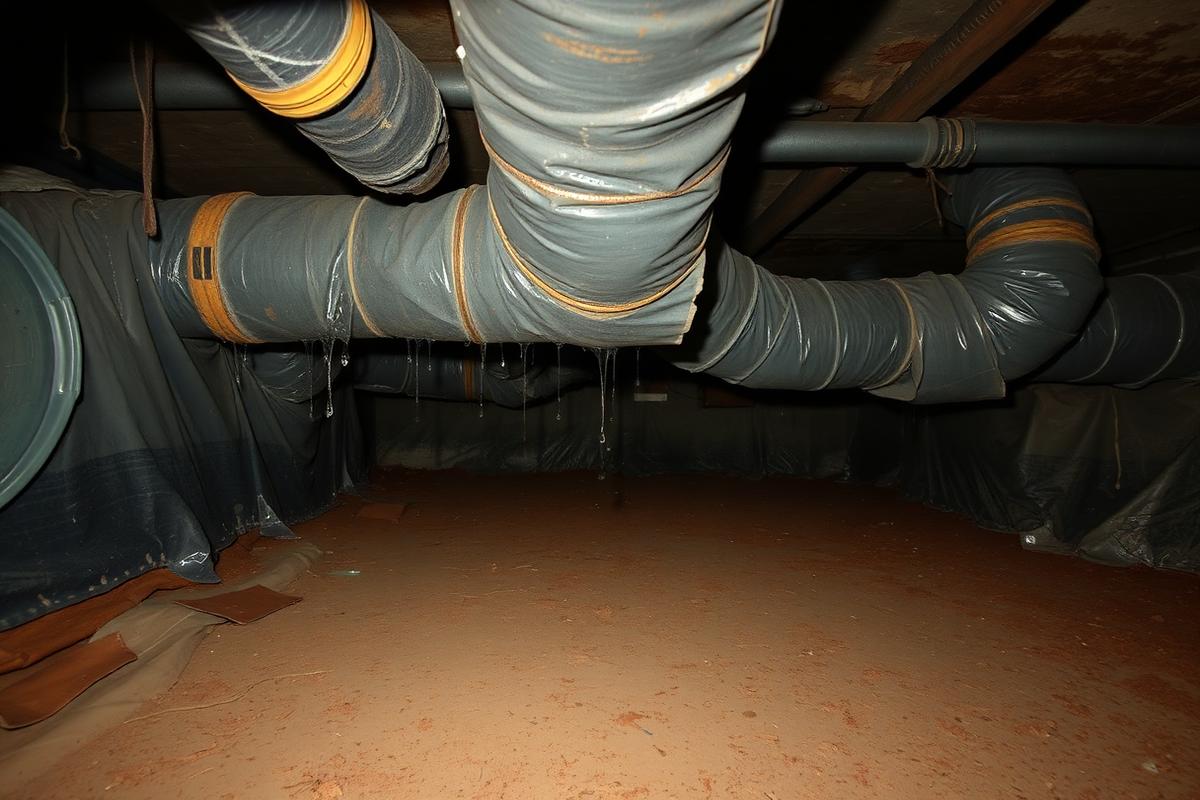
Where the odor comes from
A musty smell is produced by damp organic material — wood, paper facing on insulation, cardboard stored under the house, leaf litter and soil. When those materials stay damp, microbial activity releases the volatile compounds we recognize as musty.
Three conditions have to line up: a moisture source, organic material to act on, and stagnant air that lets the concentration build. A vented Georgia crawl space in July supplies all three.
- Bare or poorly covered soil releasing vapor into still air
- Humid outside air entering through foundation vents
- Condensation on ducts and joists keeping wood surfaces damp
- Wet insulation holding moisture against the sub-floor
- Standing water or saturated soil after storms
- Slow plumbing or condensate leaks in a corner nobody visits
Why you smell it upstairs
Air moves upward through a house. Warm air escaping at the roofline draws replacement air in from below, and the crawl space is a convenient supply. Every plumbing penetration, wiring hole and duct chase becomes a pathway, which is why the odor is often strongest in closets, hallways and near floor registers.
Sealing the interior floor without addressing the crawl space rarely works — you are cutting off one route while the source keeps producing.
How the odor is actually removed
- 1Inspect and measure: relative humidity, wood moisture readings and the condition of materials.
- 2Correct any liquid water with drainage or a plumbing repair.
- 3Remove damp organic material — soaked insulation, cardboard, debris and torn plastic.
- 4Seal the soil and walls with a vapor barrier, then close the vents.
- 5Install a dehumidifier to hold humidity in a stable range.
- 6Re-check readings after the space stabilizes to confirm conditions have changed.
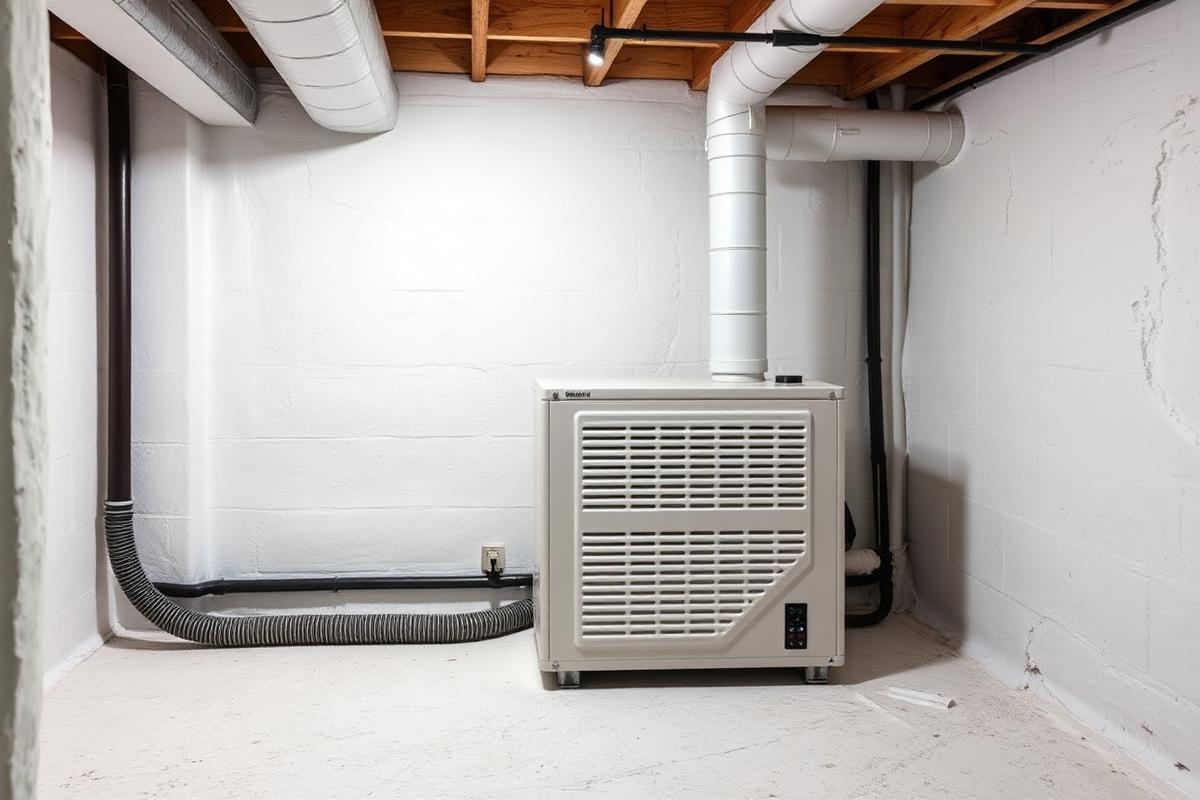
Smell It Every Time the Humidity Climbs?
An inspection gives you the actual humidity readings and identifies which materials are holding moisture.
Request an InspectionWhat we do not claim
We correct moisture conditions and remove damaged material. We do not test for specific organisms and we make no health claims about indoor air. If you want laboratory testing, an independent provider is the right route — see our moisture and mold conditions page for how we describe this work.
Quick checks before you call
- Is the smell stronger on humid days or after rain?
- Does it concentrate near floor vents, closets or one end of the house?
- Is there insulation hanging down or lying on the ground under the house?
- Is anything stored in the crawl space that could be holding moisture?
- Does the hatch area feel noticeably damp compared with outside?
Musty crawl space odor FAQs
- Why is the smell stronger in summer?
- Warm, humid months raise crawl space humidity and increase the rate at which damp organic material releases odor compounds. Air conditioning also increases the pressure differences that pull crawl space air upward.
- Will an air freshener or odor fogger fix it?
- Only briefly. Masking products do nothing to the moisture producing the smell, so the odor returns as soon as the treatment fades.
- Can the smell come up through the floor?
- Yes. Air moves from the crawl space into living space through plumbing penetrations, wiring holes, duct chases and gaps at the sub-floor, carrying odor with it.
- How long until the smell goes away after the work?
- Once humidity is controlled and damp material has been removed, most homeowners notice a clear improvement within days to a couple of weeks as materials dry and residual odor clears.
Related pages
Free estimate
Tell us what's happening under your house
Crawl space pricing depends on square footage, access, moisture source and how much repair work the framing needs. We inspect first, then quote the scope that actually solves the problem — not a package chosen before anyone looked.
- On-site inspection of drainage, grading, vapor barrier and framing
- Humidity and moisture readings where they matter
- Written scope showing what is required and what is optional