CSRA / East Georgia
Crawl Space Encapsulation & Waterproofing in Augusta, GA
Augusta crawl spaces get tested by two different kinds of water: fast, heavy summer storms that overwhelm the surface, and slower groundwater in the lower-lying stretches near the river and canal.
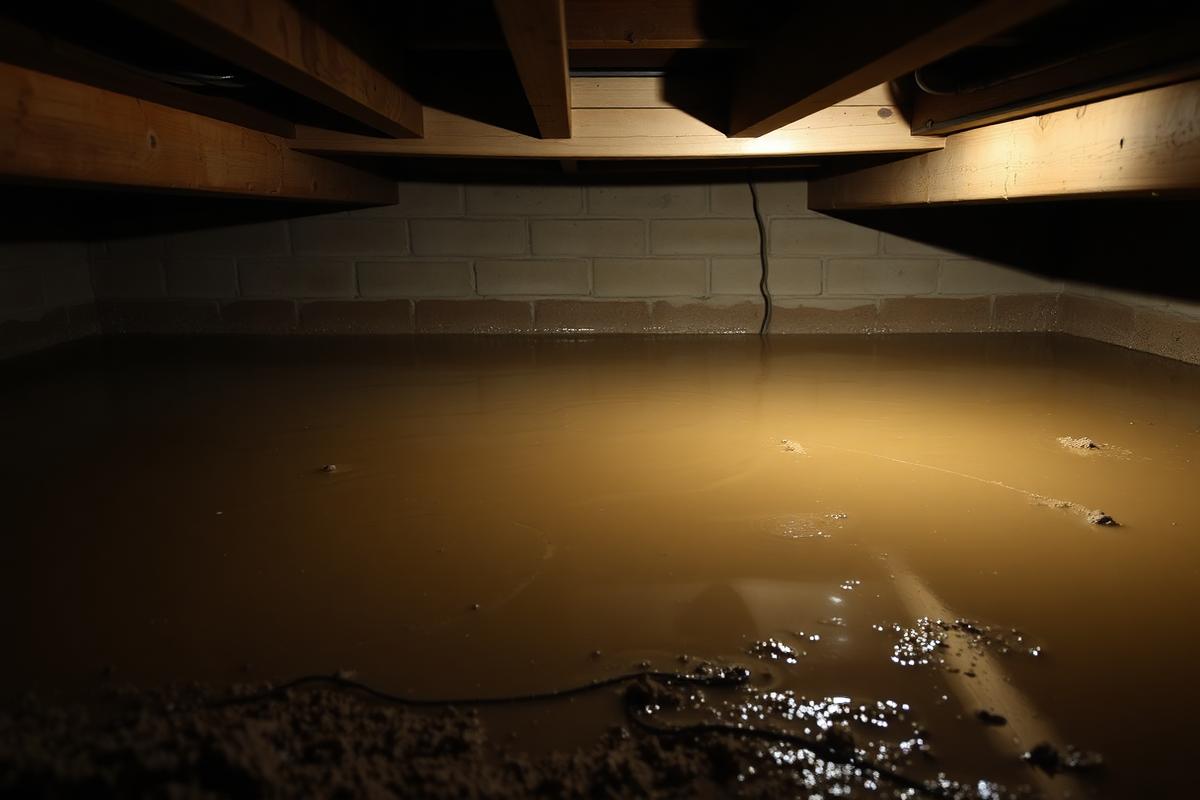
Two water sources, two designs
Getting this distinction right is the whole job in Augusta. Storm runoff arrives fast, floods the crawl space briefly and recedes — the remedy is exterior: grading, gutters, downspout extensions and surface interception. Groundwater arrives slowly, stays for weeks and does not care what the gutters do — the remedy is interior drainage with a sump.
Houses in the lower river corridor often experience both, at different times of year. A scope that only handles one leaves the homeowner surprised the following season.
- Intense CSRA thunderstorms delivering large volumes in short bursts
- Lower elevations near the river and canal with a higher water table
- Mixed clay and sandy soils that behave differently across the metro
- Split-foundation homes where a basement and crawl space share water problems
- Extended humid summers keeping crawl space readings high
- Older Summerville and downtown-area homes with pier foundations
What we install in Augusta
- Interior perimeter drainage and sump systems for groundwater
- Exterior grading and discharge corrections as part of crawl space waterproofing
- Encapsulation with reinforced liner, pier wrapping and vent sealing
- Basement waterproofing for split-foundation homes
- Dehumidification for the long humid season
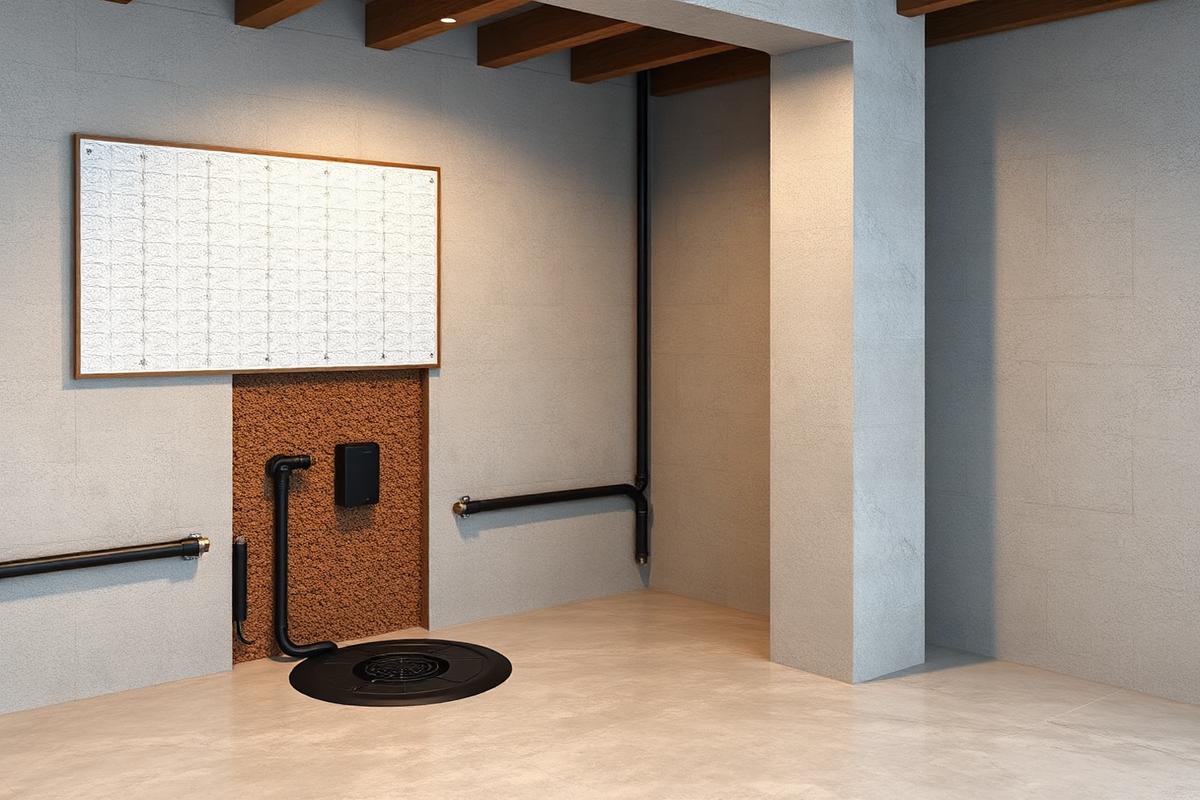
Reading the evidence during inspection
- 1Note the timing pattern the homeowner describes — storm-driven or seasonal.
- 2Look for silt lines and debris marks that show how high water rose and where it entered.
- 3Check elevation relative to the street, neighboring lots and any nearby drainage.
- 4Test for plumbing and condensate leaks that mimic groundwater.
- 5Inspect basement and crawl space areas together on split foundations.
- 6Specify exterior corrections and interior drainage separately so the reasoning is clear.
Storm Water or Groundwater?
The answer changes the entire design. We determine which one you have before proposing a system.
Get a Free Crawl Space EstimateAfter the water is handled
Once the crawl space stays dry through a full rain cycle, the sealing work delivers. A reinforced vapor barrier, closed vents and controlled humidity keep the space in a stable range instead of tracking Augusta's summer weather. If your crawl space is currently taking on water after storms, that is the place to start.
Areas we serve
We work across Augusta and the surrounding CSRA, including Richmond and Columbia county communities and the neighborhoods along the river corridor.
Augusta crawl space questions
- Does proximity to the Savannah River affect crawl spaces in Augusta?
- In lower-lying areas near the river and the canal, the water table sits closer to the surface, so groundwater is a more common source than pure surface runoff. Higher areas of Richmond and Columbia counties behave more like typical Piedmont sites.
- Why does my crawl space flood only during summer storms?
- CSRA summer storms are intense and short. They can deliver more water in thirty minutes than gutters and grading can move, so runoff briefly overwhelms the site and finds the crawl space.
- Do you handle homes with both a basement and crawl space?
- Yes. Split foundations are common in the area, and water frequently moves between the two. We inspect both together.
- Is sandy soil better for crawl spaces?
- Sandier soils drain faster, which helps with pooling, but they also allow water to reach a crawl space quickly from the surface. The design changes; the need for a plan does not.
Related pages
Free estimate
Tell us what's happening under your house
Crawl space pricing depends on square footage, access, moisture source and how much repair work the framing needs. We inspect first, then quote the scope that actually solves the problem — not a package chosen before anyone looked.
- On-site inspection of drainage, grading, vapor barrier and framing
- Humidity and moisture readings where they matter
- Written scope showing what is required and what is optional