Moisture control
Crawl Space Moisture and Mold-Related Conditions in Georgia
Damp crawl spaces are a moisture management problem with visible consequences: condensation on ducts, discoloration on joists and a smell that reaches the rooms above. Correct the moisture and the conditions change.
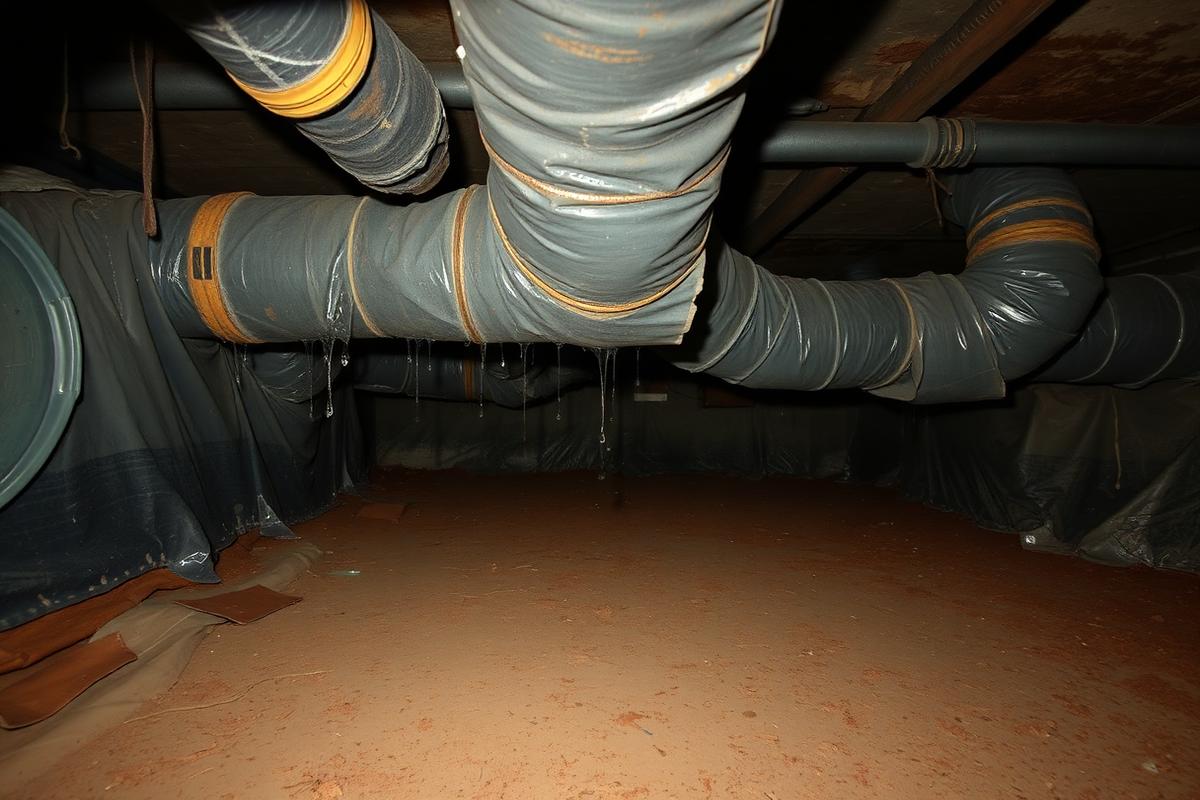
What creates a damp crawl space
- Bare or poorly covered soil releasing vapor into the space continuously
- Humid outside air entering through foundation vents during warm months
- Cool ductwork and air-conditioned floors creating condensation surfaces
- Surface runoff and groundwater keeping the soil saturated
- Plumbing, water heater or condensate line leaks adding water year-round
- Poor air movement letting moisture sit in corners and low spots
How moisture turns into material damage
Wood, paper facing and dust are all organic. When relative humidity stays high enough for long enough, moisture content in those materials rises and fungal growth becomes possible. The visible results are discoloration on joists and sub-floor, sagging insulation, musty odor and, over time, softened wood.
The important point is the sequence: humidity comes first, growth follows. That is why we measure conditions rather than treating surfaces in isolation.
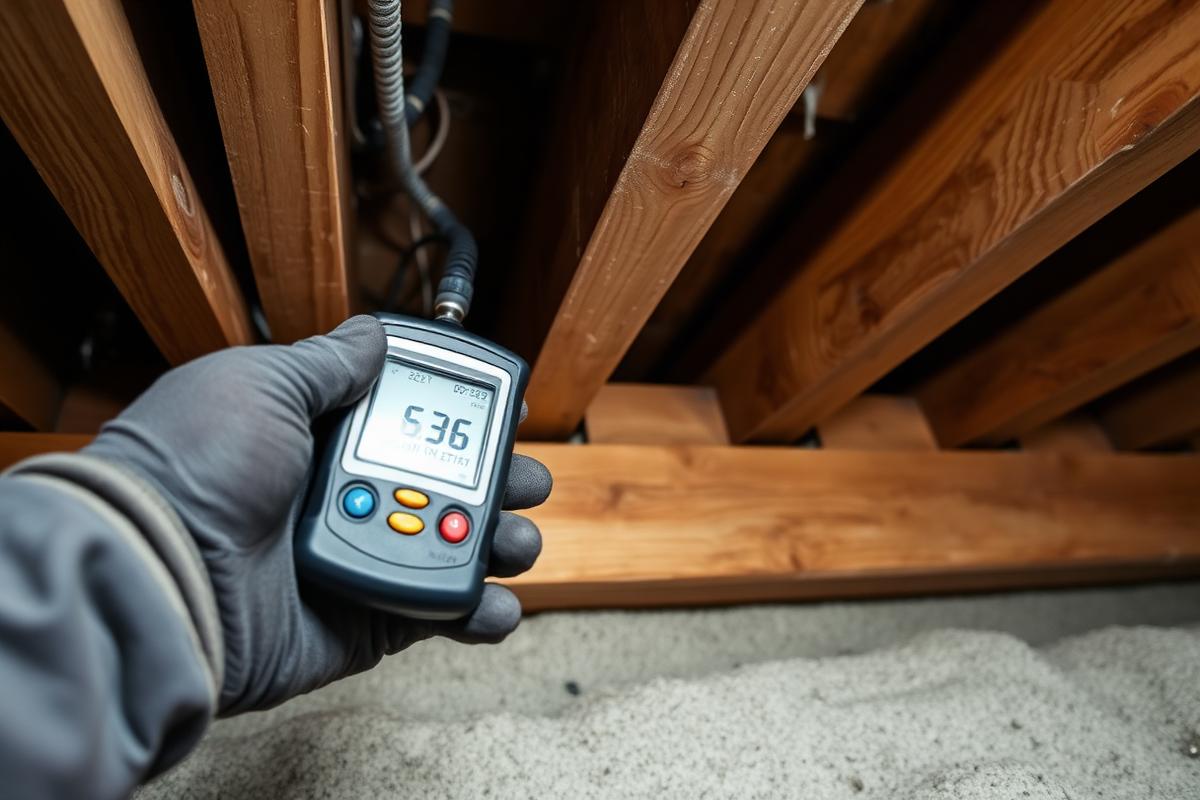
Our approach to moisture conditions
- 1Measure relative humidity in the crawl space and take wood moisture readings.
- 2Identify the moisture source — soil vapor, humid air, runoff, groundwater or a leak.
- 3Correct liquid water first with grading, drainage or plumbing repair.
- 4Seal the ground and walls so soil vapor stops loading the air.
- 5Close vents and add dehumidification to hold humidity in a stable range.
- 6Remove or replace materials that were damaged, and re-check readings afterward.
Damp, Discolored or Musty Underneath?
An inspection tells you what the readings actually are and which corrective work is warranted.
Request an InspectionWhat we do and do not claim
We are a crawl space moisture contractor. We identify and correct the conditions that allow growth, and we replace materials that moisture has damaged. We do not perform laboratory testing, we do not diagnose health effects, and we do not make medical claims about indoor air. When independent testing or a remediation specialist is appropriate, we say so.
Signs worth an inspection
- A musty smell in closets, hallways or near floor vents
- Humidity readings above 60% through the summer
- Visible droplets or damp streaking on ducts and joists
- Insulation that has fallen or feels heavy and damp
- Cupping hardwood or persistently cool, clammy floors
Crawl space moisture FAQs
- Is growth on crawl space joists always mold?
- Surface growth on damp wood can be several things, including mold and other fungal growth. We are moisture contractors, not a testing laboratory — we identify and correct the moisture conditions, and we will tell you when independent testing is the right next step.
- What moisture level does wood need to stay below?
- Wood moisture content sustained above roughly 20% is where fungal growth becomes likely. Readings in the low teens indicate the space is drying out properly.
- Will cleaning the joists solve it?
- Cleaning treats the surface. If the humidity that fed the growth is still there, it returns. The durable order is: stop the water, dry the space, control humidity, then address affected material.
- Can crawl space moisture affect the air in my house?
- Air does move upward from a crawl space into living space through floor penetrations. That is why damp crawl space air is often noticeable indoors as an odor. We describe what we can observe and measure and avoid making health claims.
Related pages
Free estimate
Tell us what's happening under your house
Crawl space pricing depends on square footage, access, moisture source and how much repair work the framing needs. We inspect first, then quote the scope that actually solves the problem — not a package chosen before anyone looked.
- On-site inspection of drainage, grading, vapor barrier and framing
- Humidity and moisture readings where they matter
- Written scope showing what is required and what is optional