Crawl space problem
High Humidity in the Crawl Space
A humid crawl space does its damage quietly. There is no puddle to point at — just readings above 70%, damp joists, sweating ductwork and insulation that keeps letting go.
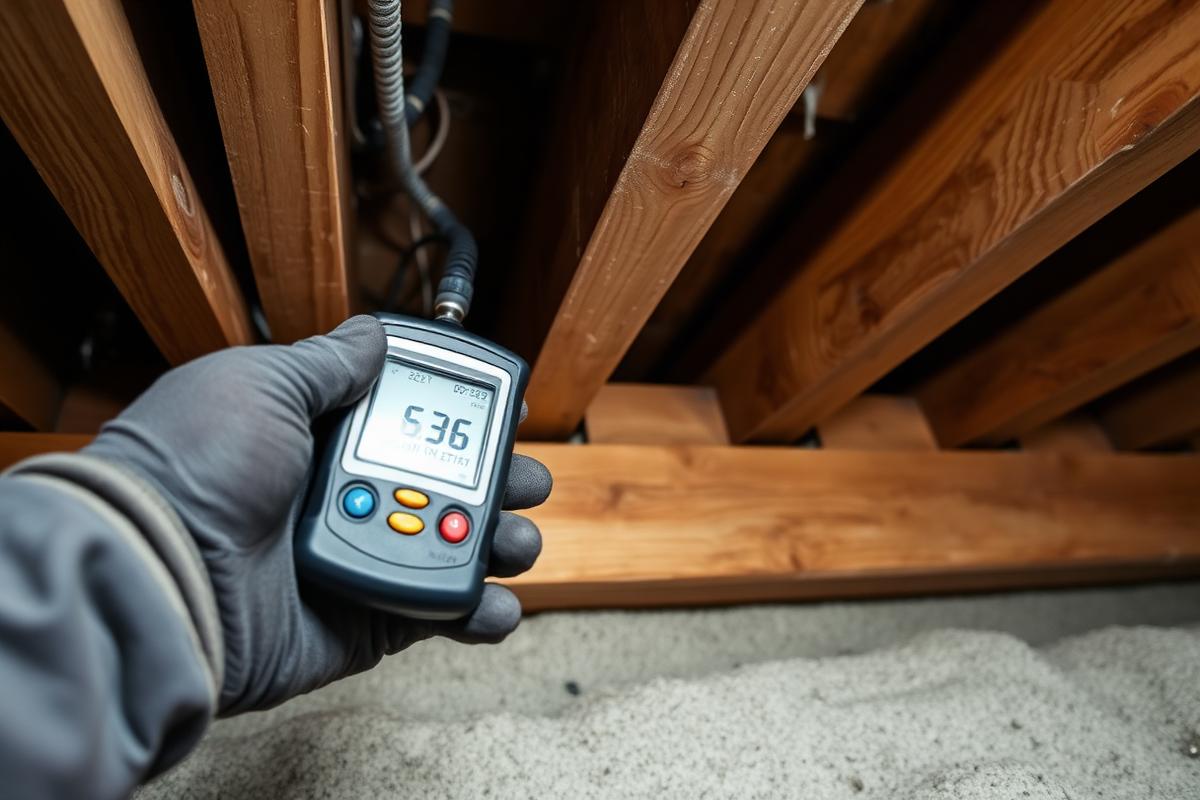
What high humidity looks like
- Water droplets or damp streaks on supply ducts, especially in the afternoon
- Joists and sub-floor that feel cool and damp to the touch
- Insulation batts sagging or lying on the ground
- Rust on duct straps, nail plates and fasteners
- A musty smell that follows humid weather
- Hygrometer readings that stay above 65–70% for weeks
The condensation mechanism
Air can only hold so much water at a given temperature. When humid air is cooled below its dew point, the excess condenses on the nearest surface. In a vented Georgia crawl space, the coolest surfaces are the sub-floor above an air-conditioned room and the supply ducts running below it — which is exactly where you do not want water.
This is why crawl space humidity is worst in summer, and why it worsens the harder the air conditioning runs. The problem is not that the crawl space is dirty; it is that warm humid air is meeting cool surfaces.
Where the moisture comes from
- Soil vapor from bare or partially covered ground — the constant baseline source. Fixed with a sealed vapor barrier.
- Humid outside air entering through foundation vents. Fixed by sealing the vents as part of encapsulation.
- Standing water or wet soil after storms. Fixed with drainage.
- Leaks from plumbing, water heaters or HVAC condensate lines.
- Duct leakage discharging conditioned air and cooling surfaces below the dew point.
Readings Above 65% Under Your Floor?
We measure conditions, find the moisture sources and size the control system to your crawl space.
Request an InspectionHow humidity gets controlled
- 1Measure: log relative humidity over several days rather than relying on one reading.
- 2Eliminate liquid water sources first.
- 3Seal the ground and walls so soil vapor stops loading the air.
- 4Close and seal foundation vents and the rim joist.
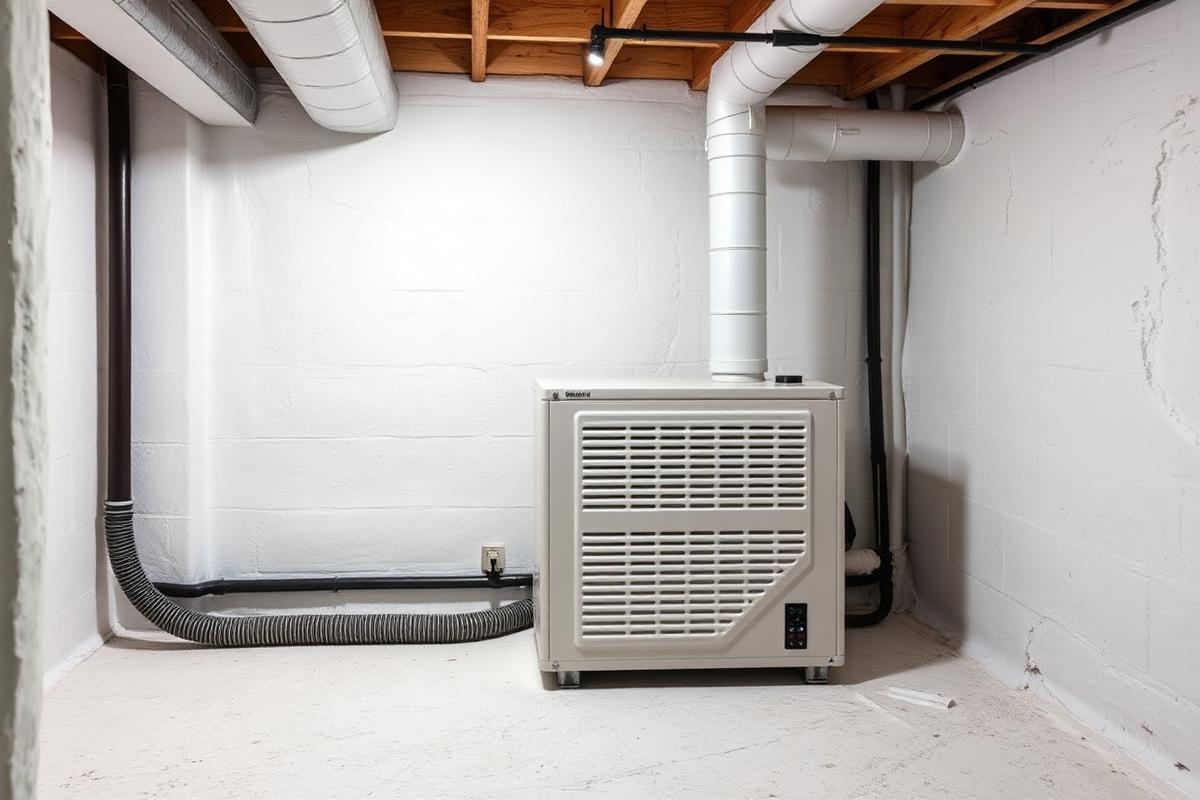
- 5Install a correctly sized crawl space dehumidifier with a drain line.
- 6Verify readings hold in range through a full humid stretch of weather.
What happens if it is left alone
Sustained high humidity keeps wood moisture content elevated, which is the precondition for fungal growth on framing, ruined insulation and eventual structural repair work. Cupping hardwood floors and sticking doors upstairs sometimes trace back to the same source.
Crawl space humidity FAQs
- What is a healthy crawl space humidity level?
- Roughly 50–60% relative humidity is the range most moisture professionals aim for. Sustained readings above that in a Georgia summer are where condensation and material problems begin.
- Why does opening the vents make it worse?
- Because outside air in summer carries more moisture than the crawl space can absorb without condensing. When 78°F air at a high dew point contacts a 68°F duct, water forms on the duct. Venting adds moisture rather than removing it.
- Can a fan fix crawl space humidity?
- A fan moves air but does not remove water from it. Circulating humid air across cool surfaces can even spread condensation. Dehumidification removes the moisture; a fan only redistributes it.
- How do I measure it myself?
- An inexpensive hygrometer left in the crawl space for a few days gives a useful picture. Note the highest readings during humid weather rather than a single spot check.
Related pages
Free estimate
Tell us what's happening under your house
Crawl space pricing depends on square footage, access, moisture source and how much repair work the framing needs. We inspect first, then quote the scope that actually solves the problem — not a package chosen before anyone looked.
- On-site inspection of drainage, grading, vapor barrier and framing
- Humidity and moisture readings where they matter
- Written scope showing what is required and what is optional