Secondary service
Basement Waterproofing in Georgia
Crawl spaces are our main focus, but plenty of Georgia homes have a basement — or a basement and a crawl space sharing the same foundation. The diagnostic approach is the same: find where the water enters, then design around it.
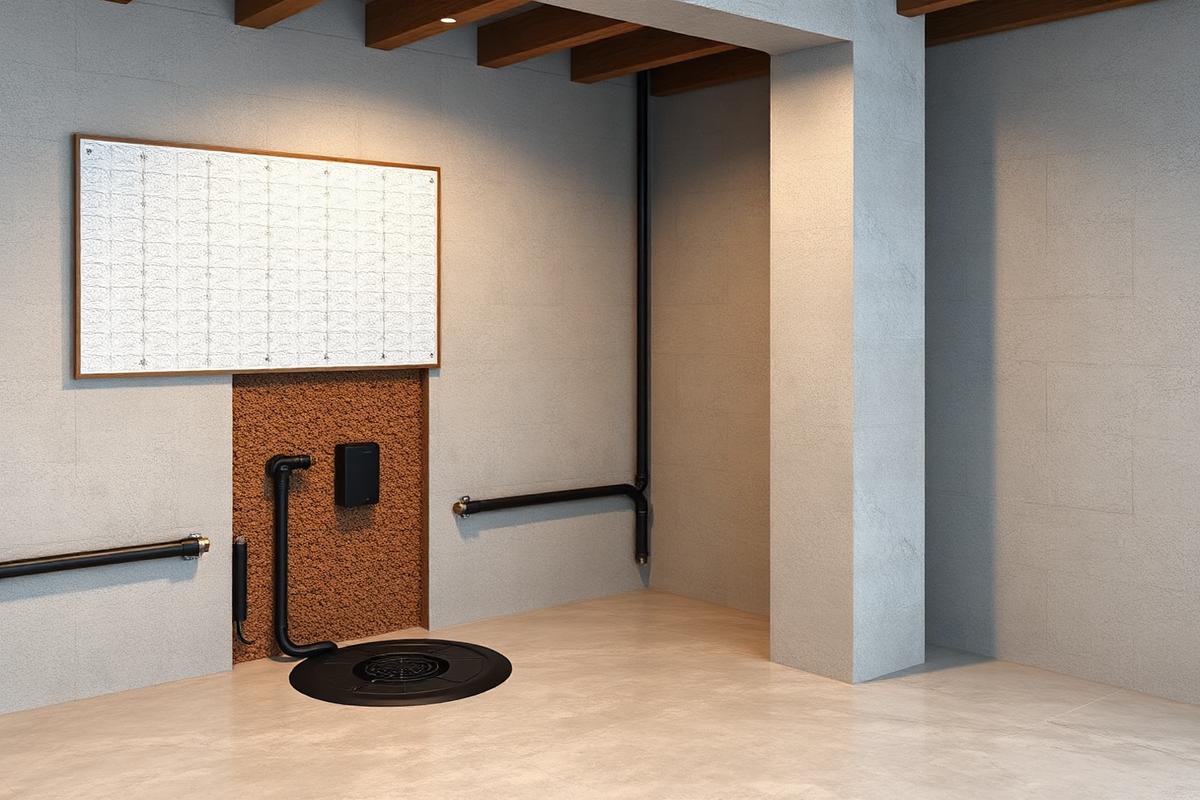
How water gets into a Georgia basement
- Hydrostatic pressure pushing groundwater through the wall-floor joint after saturating rain
- Seepage through block cores, mortar joints or cracks in poured walls
- Surface runoff from downspouts and hardscape collecting against the foundation
- Window wells filling and overflowing during heavy storms
- Condensation on cool masonry during humid months, which looks like a leak but is not
- Plumbing and appliance failures inside the basement itself
Interior drainage and sump systems
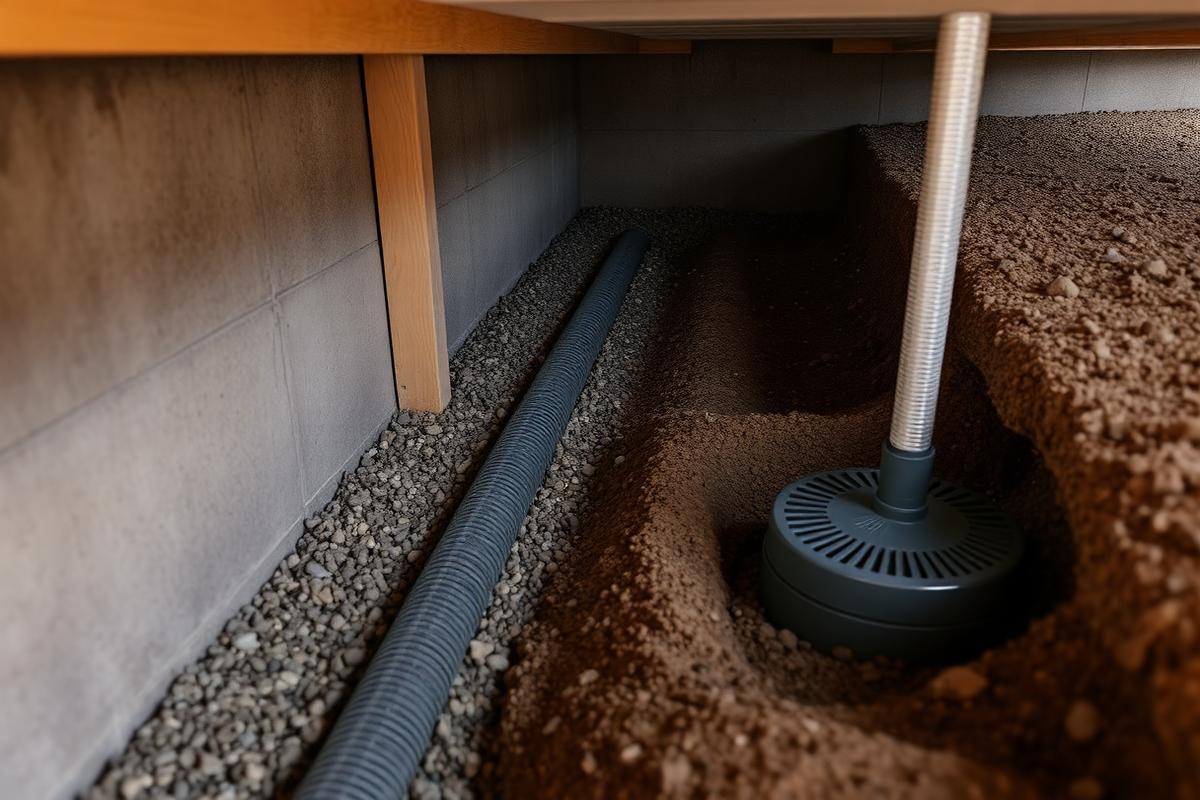
The workhorse of basement waterproofing is an interior perimeter drain: a channel at the footing that intercepts water arriving at the wall-floor joint and carries it to a sealed sump basin. The pump discharges it far enough from the house that it does not simply cycle back.
This approach addresses the pressure rather than fighting it at the wall surface, and it can be installed without excavating the exterior of the home.
Our process
- 1Inspect the exterior: grading, gutters, downspout discharge, window wells and hardscape.
- 2Map interior evidence — staining, efflorescence, damp seams and active seepage points.
- 3Distinguish condensation from infiltration using conditions and surface readings.
- 4Correct exterior water delivery where that is the dominant source.
- 5Install interior drainage, a sump basin and discharge routing where pressure is the source.
- 6Address humidity so the finished space stays dry rather than merely un-flooded.
Water Showing Up After Every Storm?
We inspect both the exterior water path and the interior evidence before proposing a system.
Get a Free Crawl Space EstimateBasement and crawl space together
Split-foundation homes often move water from one side to the other. If the crawl space portion is also wet, the crawl space waterproofing and drainage work is planned in the same visit, with encapsulation following once the water is controlled.
Cost factors
- Linear feet of interior drain and the concrete work involved
- Sump, pump and discharge routing requirements
- Wall repair or sealing at specific seepage points
- Exterior grading and downspout corrections included in scope
- Whether the basement is finished and requires material removal
Basement waterproofing FAQs
- Interior or exterior basement waterproofing?
- Interior drainage plus a sump is the more common and less disruptive route, and it handles hydrostatic water reaching the footing. Exterior excavation and membrane work is reserved for cases where the wall itself is the problem and the site allows it.
- Are waterproof coatings on the wall enough?
- A coating can slow surface dampness, but it does not relieve water pressure behind the wall. Where water is pushing through joints or the wall-floor seam, drainage is what actually resolves it.
- Why does my basement only leak in heavy rain?
- That pattern points to surface water: gutters overflowing, downspouts discharging beside the wall or grading that sends runoff toward the foundation. Exterior corrections often make a large difference before any interior work.
- Do you handle homes with both a basement and a crawl space?
- Yes — split foundations are common in Georgia. We inspect both areas together, because water frequently travels between them.
Related pages
Free estimate
Tell us what's happening under your house
Crawl space pricing depends on square footage, access, moisture source and how much repair work the framing needs. We inspect first, then quote the scope that actually solves the problem — not a package chosen before anyone looked.
- On-site inspection of drainage, grading, vapor barrier and framing
- Humidity and moisture readings where they matter
- Written scope showing what is required and what is optional