Serving homeowners across Georgia
Georgia Crawl Space Encapsulation & Moisture Control
Red clay soil, long humid summers and vented foundations put moisture under Georgia houses year after year. We find the water source first, then seal, drain and dehumidify the crawl space so it stays dry.
- Inspection first
- Moisture source identified before any scope is priced
- Whole-system work
- Drainage, barrier, sealing and humidity control together
- Written scope
- What's required and what's optional, in plain language
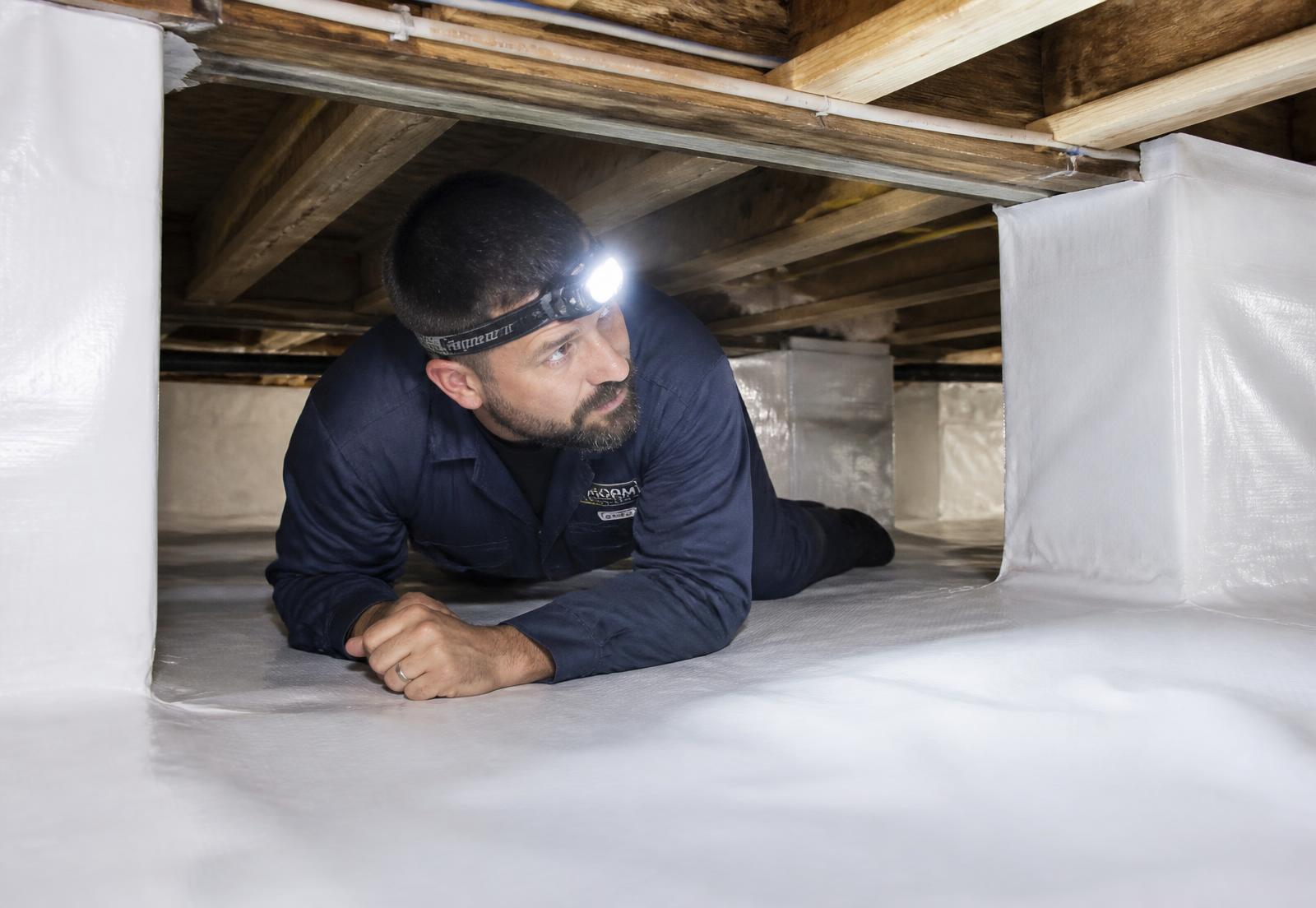
Start here
What are you seeing under your house?
Pick the closest symptom. Each page explains the likely causes and which repair actually addresses it.
Not sure which it is?
Describe what you noticed and we'll tell you what to look for during the inspection.
Describe the problem →Solutions
Crawl space services built around the moisture source
The process
How a crawl space gets sealed
Encapsulation is a sequence, not a single product. Skipping a step is why some sealed crawl spaces stay damp.
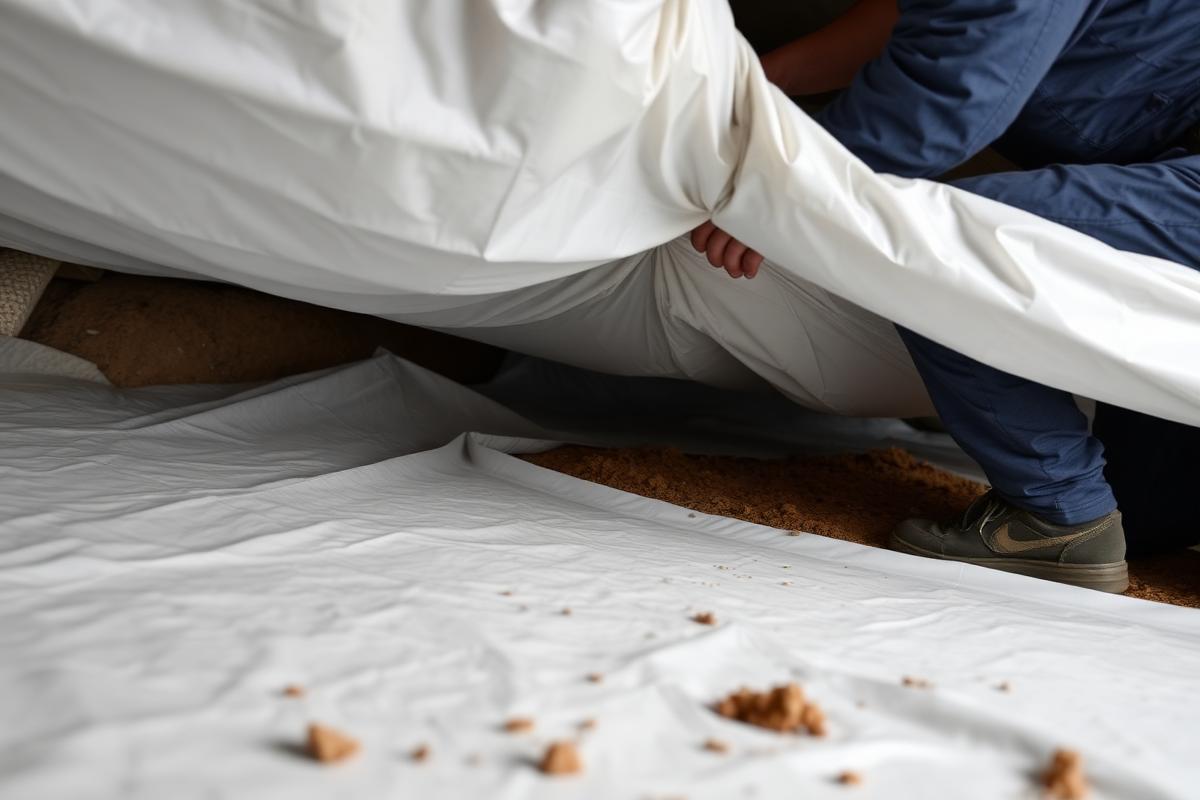
- 01
Clear and assess
Debris, old torn plastic and fallen insulation come out so the soil, piers and framing can be seen.
- 02
Control the water
Grading, downspouts, perimeter drainage or a sump are addressed where liquid water is entering.
- 03
Seal the ground and walls
A reinforced vapor barrier is run across the soil, up the piers and foundation walls, and sealed at seams and penetrations.
- 04
Close the vents and rim
Foundation vents and the rim joist are sealed and insulated so humid outside air stops washing through.
- 05
Manage humidity
A crawl space dehumidifier with a drain line holds relative humidity in a stable range year-round.
- 06
Verify
Humidity and moisture readings are re-checked after the space has settled.
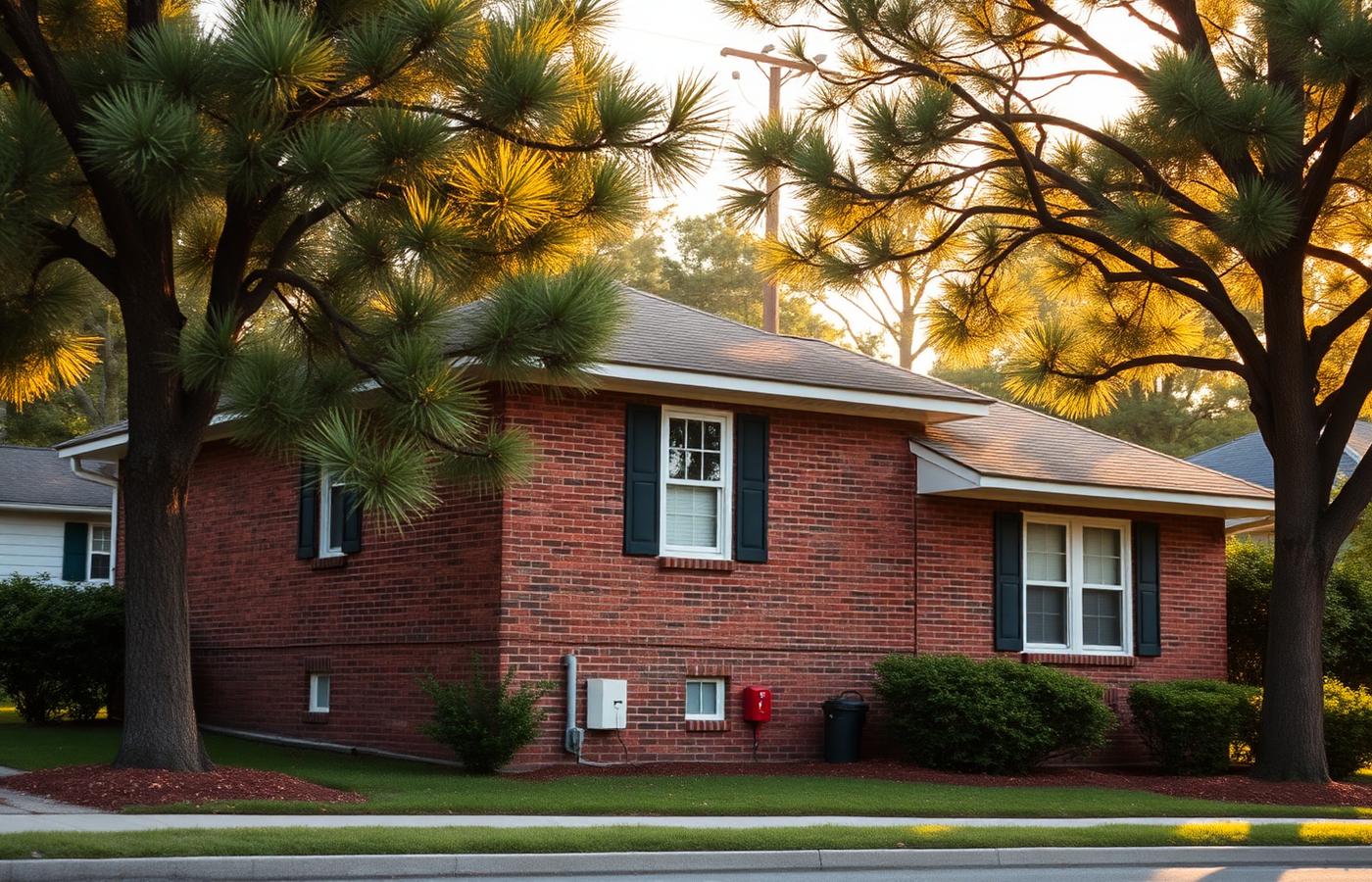
Local conditions
Why Georgia crawl spaces develop moisture problems
- Georgia clay drains slowly. Rainwater sits against foundations instead of moving away from the house.
- Summer dew points stay high for months. Vented crawl spaces pull that humid air across cooler surfaces, and it condenses.
- Heavy convective storms drop a lot of water fast, overwhelming gutters, downspouts and shallow grading.
- Older homes across the state were built with bare soil floors or thin 6-mil plastic that has long since torn.
- Air handlers and ducts in the crawl space cool nearby surfaces, creating condensation points right where wood is.
Budgeting
What drives crawl space encapsulation cost
Square footage sets the baseline, but the variables below usually decide the final number: barrier thickness, whether drainage or a sump is required, dehumidifier capacity, framing or insulation repairs, and how difficult the access hatch and clearance make the work.
Read the cost guide →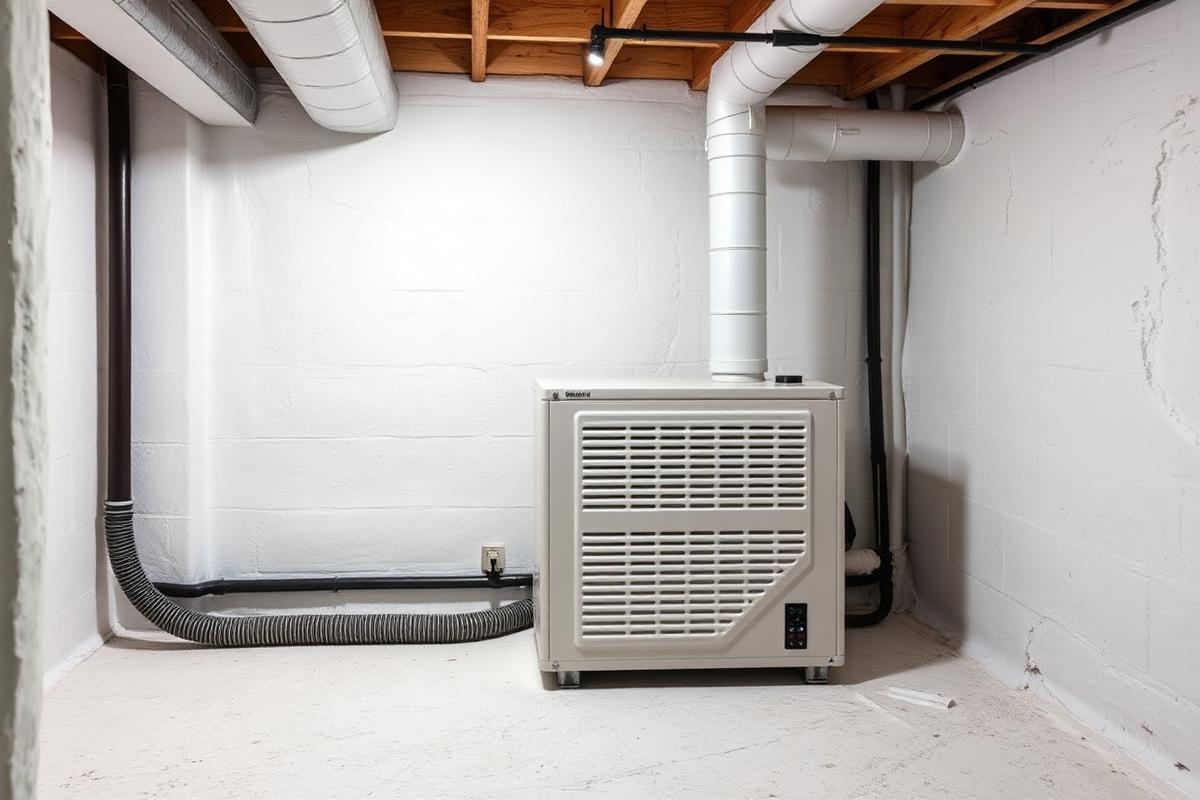
Service areas
Main Georgia service areas
We also work in the surrounding metro and county areas around each of these cities.
How we inspect
Our crawl space inspection method
- 1Identify where water or moisture is entering — surface runoff, groundwater, plumbing or humid air.
- 2Inspect exterior grading, gutters and downspouts, then existing drainage inside the crawl space.
- 3Check the condition and coverage of the current vapor barrier and the state of piers and walls.
- 4Measure relative humidity and take wood moisture readings where conditions warrant it.
- 5Determine whether drainage, encapsulation, dehumidification, insulation or structural repair is the right response.
- 6Provide a written estimate covering the scope and the reasoning behind it.
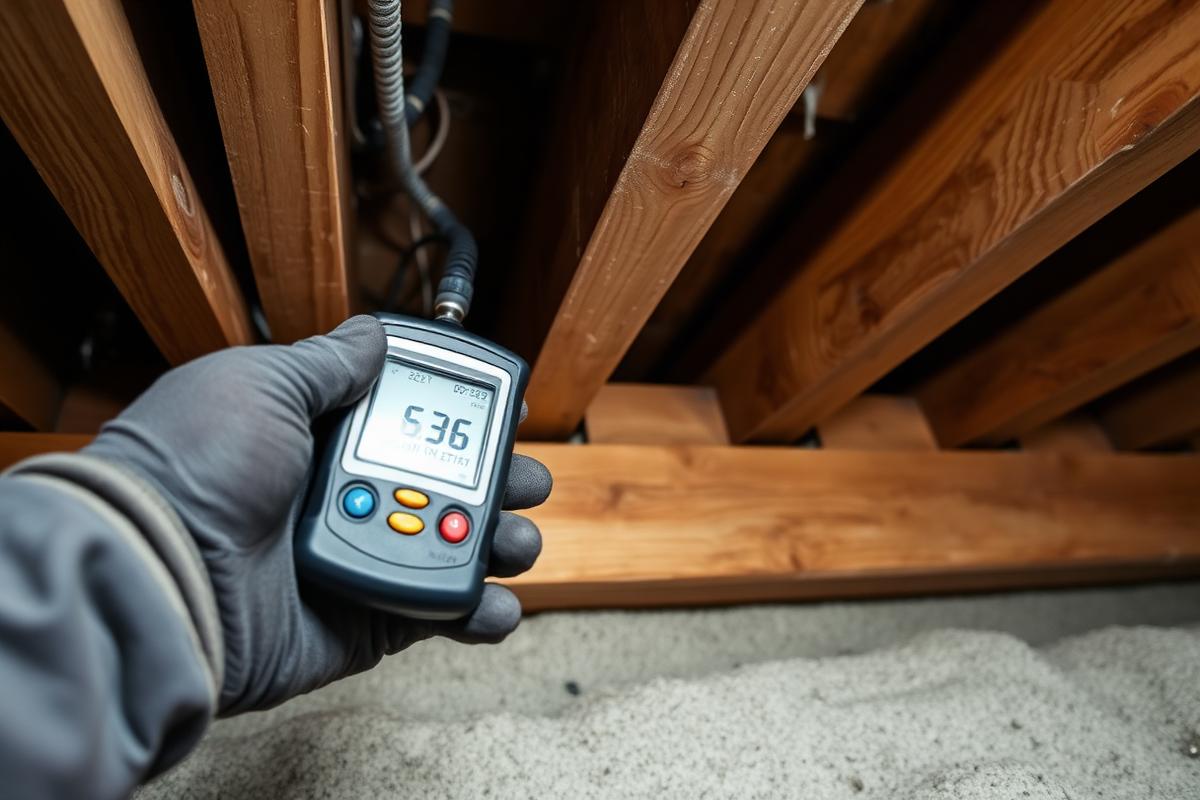
Understanding the problem
Moisture vapor and liquid water are two different problems
Soil vapor
Bare earth releases moisture vapor continuously. Without a sealed vapor barrier, that vapor loads the crawl space air and condenses on cool framing and ducts.
Liquid water
Runoff and groundwater need somewhere to go. Drainage and grading move it away; waterproofing keeps it out of the crawl space in the first place.
Humid air
Open foundation vents in a Georgia summer add moisture rather than removing it. Sealing the space and running a dehumidifier keeps humidity stable.
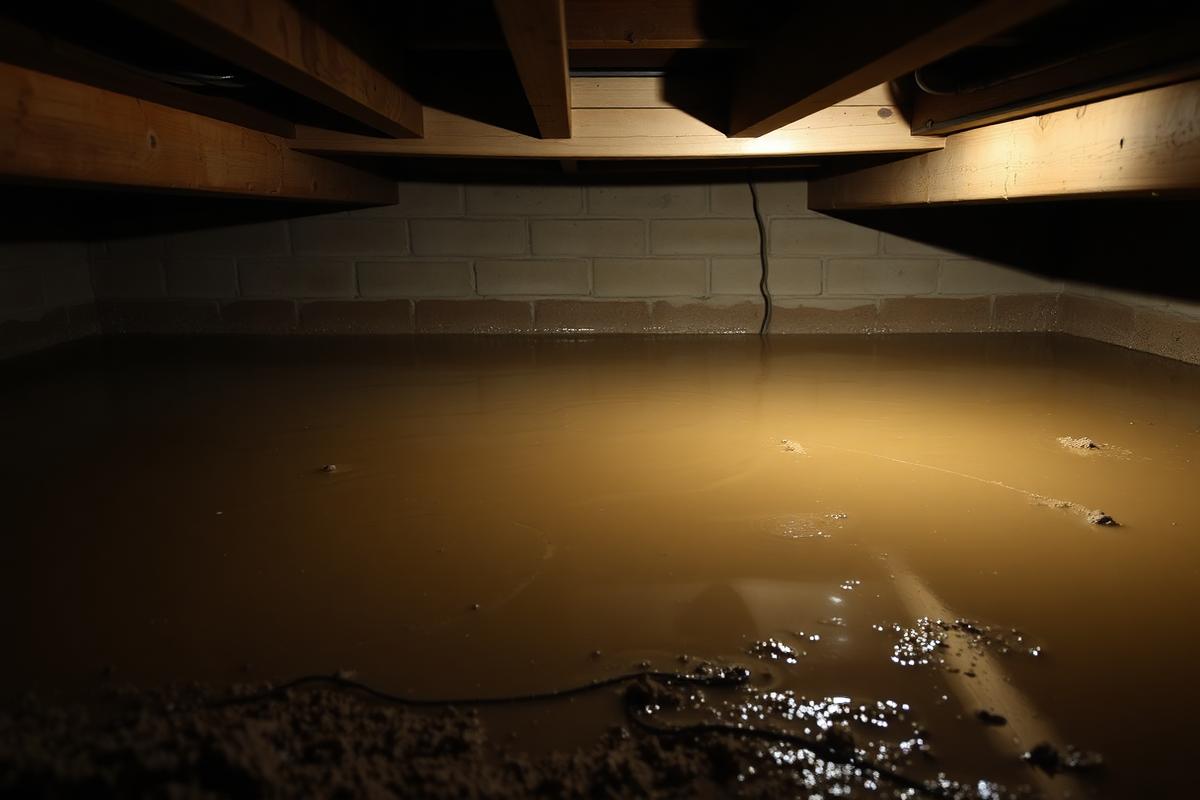
Georgia crawl space questions
- Does crawl space encapsulation work in Georgia's climate?
- Yes — humid Southern summers are exactly the conditions a sealed crawl space is designed for. When outside air near 90°F and 80% relative humidity enters a vented crawl space and meets cooler surfaces, moisture condenses on framing and ductwork. Sealing the floor and walls and controlling humidity removes that cycle.
- Do I need drainage before encapsulation?
- If liquid water enters the crawl space after rain, drainage and grading come first. A vapor barrier stops soil moisture vapor; it does not manage running or standing groundwater. We confirm the water source during inspection before quoting a scope.
- How long does a crawl space encapsulation project take?
- Most residential crawl spaces are completed in one to three working days. Debris removal, old barrier tear-out, drainage installation or framing repairs extend that timeline.
- Will encapsulation fix a musty smell in the house?
- A musty odor usually comes from damp organic material and stagnant humid air below the floor. Removing the moisture source and holding crawl space humidity in a controlled range typically reduces or eliminates the odor. Any damaged material still has to be removed.
- Do you charge for the inspection and estimate?
- No. The crawl space inspection and written estimate are free. Pricing is only issued after someone has physically assessed access, square footage, moisture source and the condition of the framing.
Free estimate
Tell us what's happening under your house
Crawl space pricing depends on square footage, access, moisture source and how much repair work the framing needs. We inspect first, then quote the scope that actually solves the problem — not a package chosen before anyone looked.
- On-site inspection of drainage, grading, vapor barrier and framing
- Humidity and moisture readings where they matter
- Written scope showing what is required and what is optional