West Georgia
Crawl Space Encapsulation & Moisture Control in Columbus, GA
Columbus sits in one of the warmest, most humid corners of Georgia, and the crawl space season here runs long. Sealing works well in this climate — provided the barrier is continuous and the humidity is actively managed afterward.
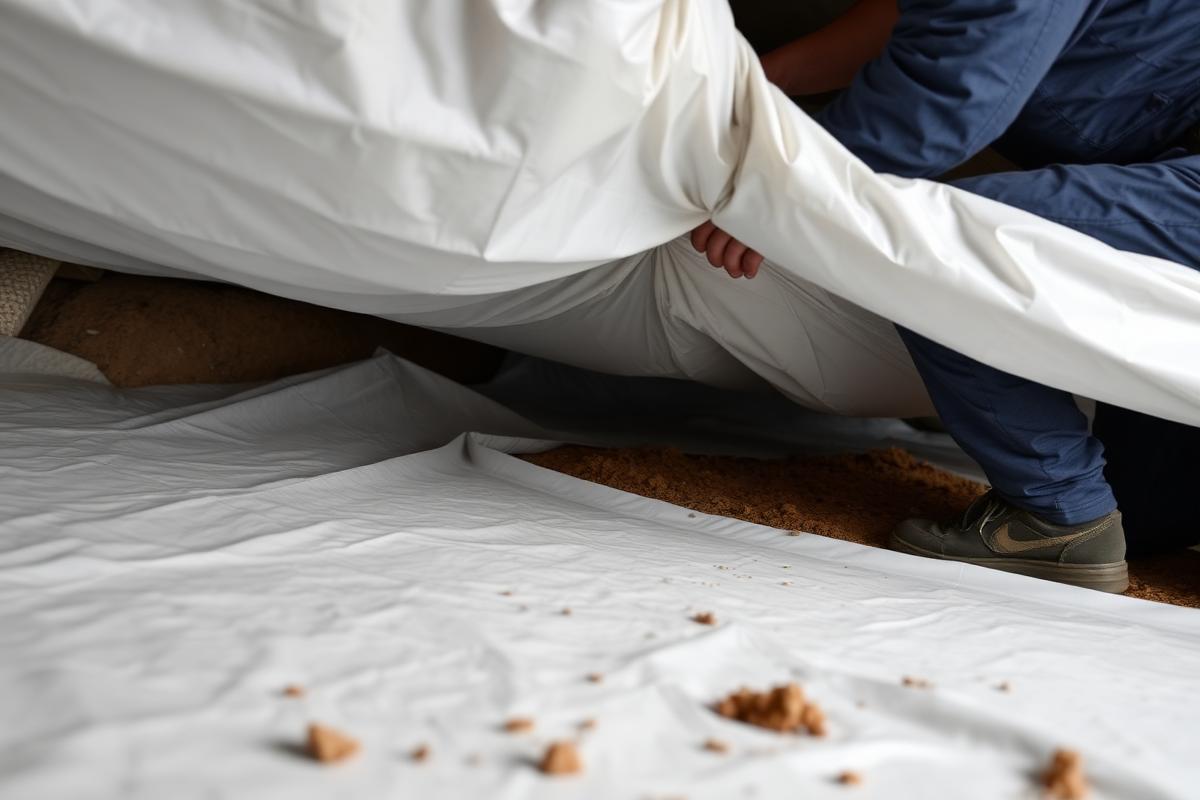
West Georgia crawl space conditions
The Columbus area combines a long humid season with a mix of lot conditions: higher ground behaving like typical Piedmont sites and lower properties near the Chattahoochee corridor where groundwater matters more. Crawl spaces here rarely get a genuinely dry stretch long enough to recover on their own.
The most frequent finding on inspection is a partially covered soil floor. Plastic laid loosely in some bays, bare dirt in others, gaps around every pier — enough to look addressed and not nearly enough to change the humidity in the space.
- Long warm, humid season extending well into fall
- Lower Chattahoochee corridor lots with higher groundwater
- Partial or gapped ground cover that leaves the vapor path open
- Ductwork below the floor creating condensation surfaces
- Rental and investment properties with deferred crawl space maintenance
- Older homes with limited clearance and small access hatches
Continuity is what makes sealing work
A vapor barrier only performs where it exists. Gaps at the perimeter, unsealed seams and unwrapped piers let soil vapor bypass the sheet entirely, which is why a crawl space with plastic on the ground can still read 75% humidity in September. Proper vapor barrier installation means overlapped and sealed seams, wrapped piers and a terminated wall edge — the foundation of full encapsulation.
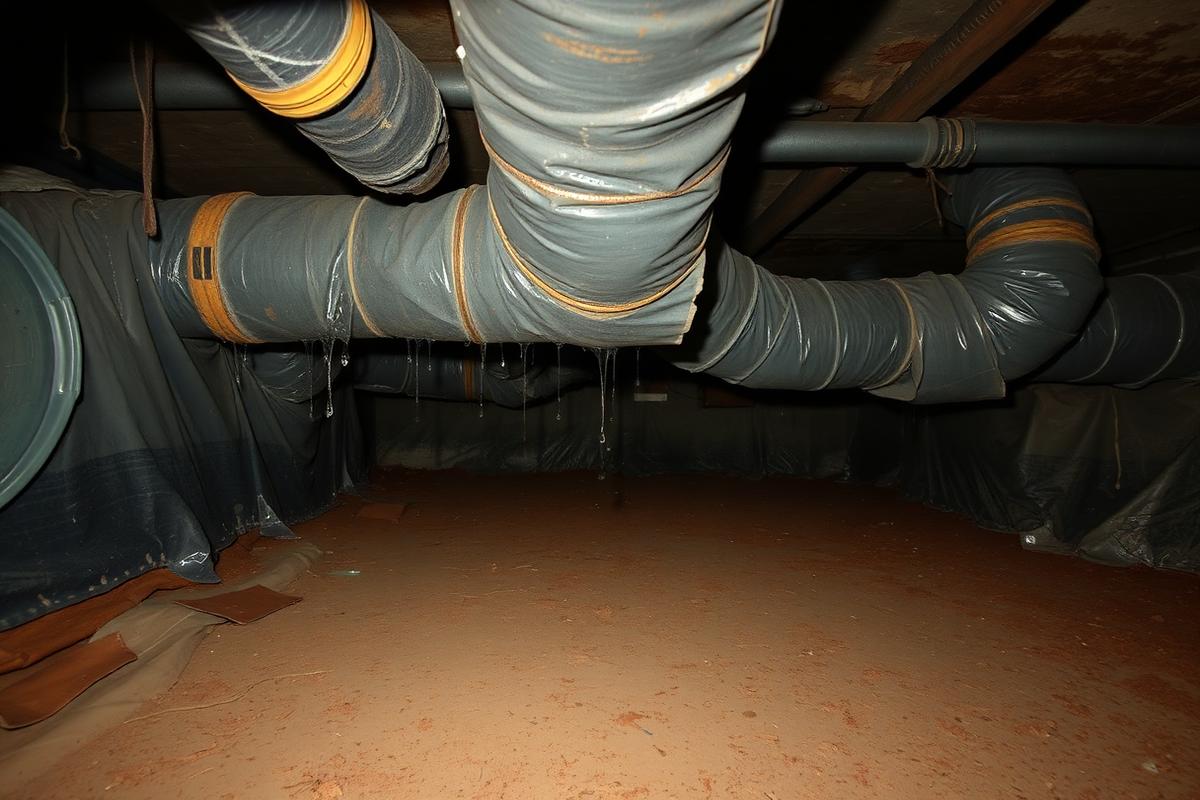
Services in the Columbus area
- Crawl space encapsulation with continuous, sealed coverage
- Dehumidification sized for a long humid season
- Drainage for lower-lying lots near the river corridor
- Repair work and insulation replacement where humidity has already caused damage
- Waterproofing where storm runoff reaches the foundation
Half-Covered Crawl Space Floor?
Partial coverage rarely moves the humidity readings. We'll show you what continuous sealing changes.
Request an InspectionHow a Columbus inspection works
- 1Record humidity readings and check for condensation on ducts and framing.
- 2Map existing barrier coverage and identify every gap and unsealed edge.
- 3Assess lot elevation and whether groundwater is a factor.
- 4Check ductwork and insulation condition throughout the crawl space.
- 5Identify repairs required before sealing.
- 6Provide a written scope, with phasing options where the budget calls for it.
Areas we serve
We work across Columbus and the surrounding Muscogee County area and nearby West Georgia communities, covering both established in-town neighborhoods and newer developments.
Columbus crawl space questions
- Why do Columbus crawl spaces stay humid so long into the fall?
- West Georgia holds warm, humid conditions later in the year than the northern part of the state. Crawl spaces track that pattern, so readings often stay elevated well past the point homeowners expect relief.
- Do homes near the Chattahoochee have different issues?
- Lower-lying properties nearer the river corridor are more likely to see groundwater rather than pure surface runoff, which shifts the design toward interior drainage and a sump.
- Is a partial vapor barrier worth doing?
- Partial coverage leaves the vapor pathway open at every gap, so results are inconsistent. If budget is a constraint, we would rather phase the project properly than seal half of it.
- Do you work with rental and investment properties?
- Yes. We provide the same written scope and photographs, which owners and property managers can use to document condition and plan phased work.
Related pages
Free estimate
Tell us what's happening under your house
Crawl space pricing depends on square footage, access, moisture source and how much repair work the framing needs. We inspect first, then quote the scope that actually solves the problem — not a package chosen before anyone looked.
- On-site inspection of drainage, grading, vapor barrier and framing
- Humidity and moisture readings where they matter
- Written scope showing what is required and what is optional