Cost guide
Crawl Space Encapsulation Cost in Georgia
Encapsulation pricing is not one number — it's a scope. This guide explains the components that get priced, which variables move the total the most, and how to compare quotes that look different for good reasons.
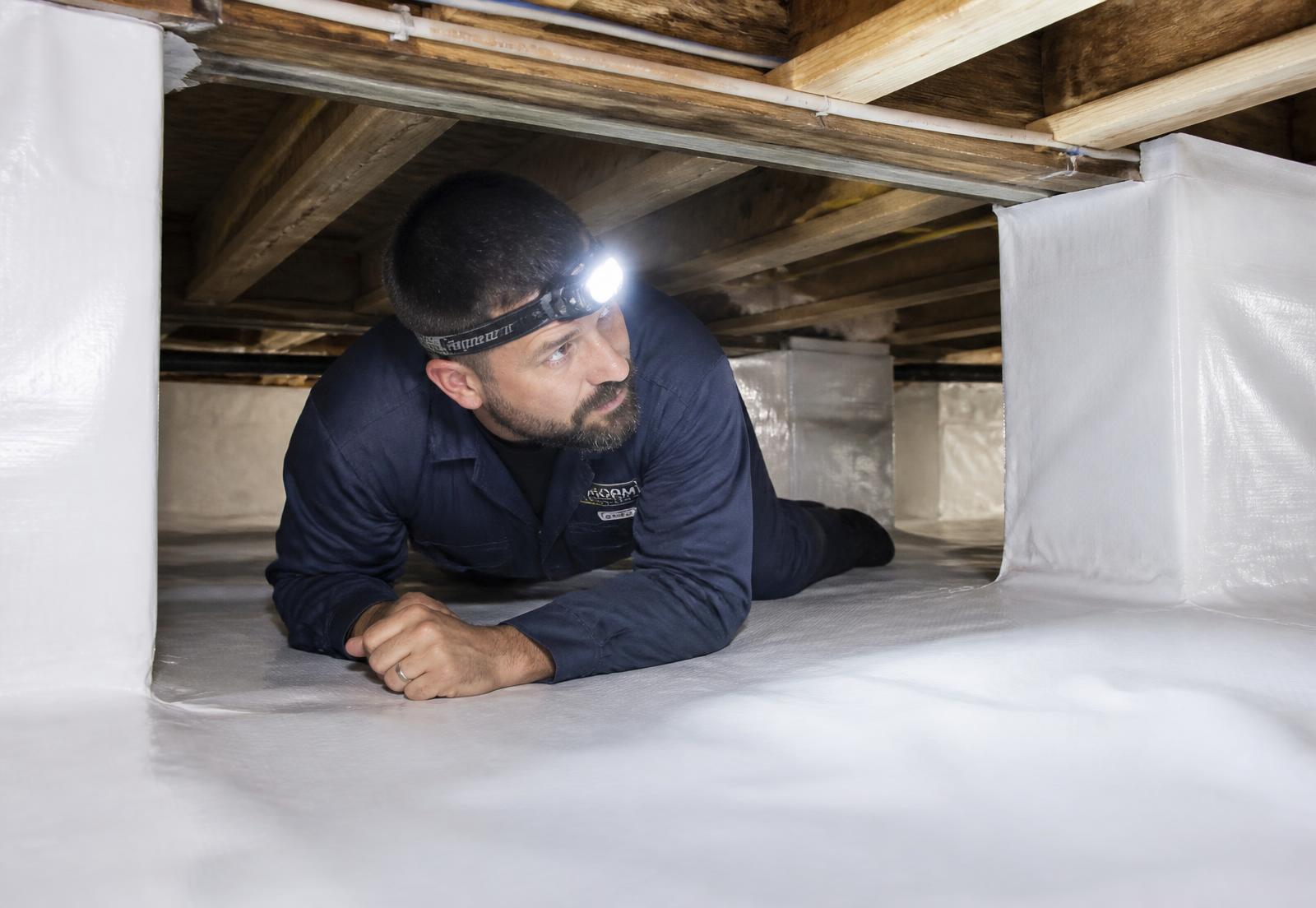
How encapsulation gets priced
Nearly every crawl space quote is built from the same set of line items. Understanding them is the fastest way to tell whether two estimates are actually comparable.
- Preparation: debris removal, old plastic tear-out, wet insulation disposal and soil grading inside the crawl space.
- Water management: perimeter drainage, sump basin, pump and discharge line where required.
- Liner system: vapor barrier material by thickness, seam sealing, pier wrapping and wall termination.
- Air sealing: vent closure and rim joist sealing.
- Humidity control: dehumidifier, condensate routing and electrical work.
- Repairs: framing or sub-floor work and insulation replacement.
Size-based examples
Crawl space size sets the baseline. These are illustrative scope profiles rather than quoted prices — the point is how the scope grows, not a fixed figure.
- Small crawl space (roughly under 1,000 sq ft), dry soil. Clear-out, reinforced liner, pier wrapping, vent sealing. Typically the lowest-cost profile, often without drainage or equipment.
- Medium crawl space (roughly 1,000–1,800 sq ft), some moisture. Everything above plus a dehumidifier and, in many cases, partial drainage. This is the most common Georgia project profile.
- Large crawl space (roughly 1,800+ sq ft) or a wet one. Full perimeter drainage, sump and discharge, heavier liner over more area, larger dehumidifier capacity and often framing or insulation repairs. The upper end of the range.
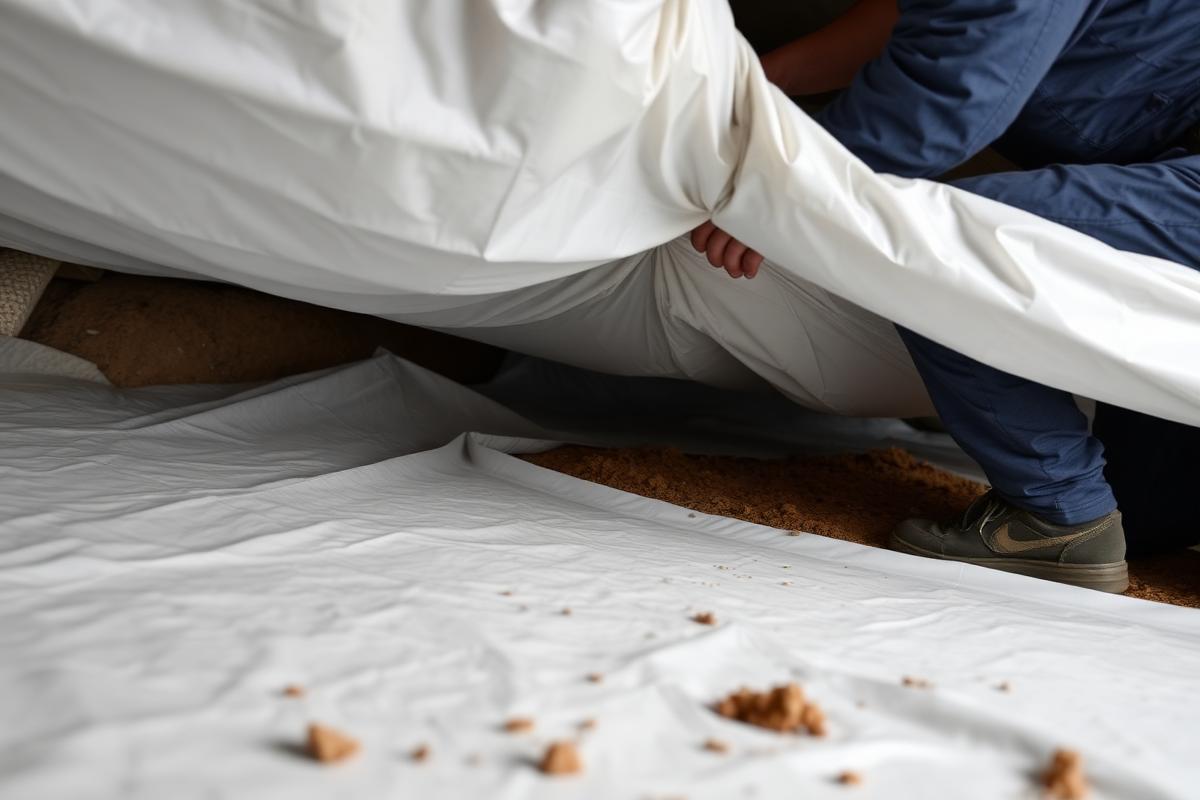
Estimated crawl space encapsulation cost in Georgia
Typical overall range for a Georgia crawl space project: roughly $3,000 – $15,000, with most full encapsulations landing somewhere in the $5,000 – $9,000 band. These are general planning estimates based on common market pricing — not quotes. Your number is set by the inspection.
- Basic vapor barrier / moisture-control work: roughly $1,500 – $4,000 — ground-only liner, debris clear-out and basic vent or grading corrections.
- Full crawl space encapsulation: roughly $4,000 – $10,000 — reinforced liner across floor, walls and piers, seam sealing, vent closure and rim joist sealing.
- Encapsulation plus dehumidifier: roughly $6,000 – $13,000 — includes the unit, condensate routing and the electrical work it needs.
- Drainage / sump pump additions: roughly $1,500 – $6,000 on top of the above, depending on perimeter length, trenching in clay and discharge distance.
- Mold remediation when required: roughly $1,000 – $5,000, driven by affected square footage and whether wood treatment or material removal is needed.
- Large or complex crawl spaces: $12,000 – $20,000+ where several systems, structural repairs and difficult access all combine.
Want a Real Number for Your Crawl Space?
The inspection and written estimate are free, and the estimate shows what each line item is solving.
Get a Free Crawl Space EstimateWhat moves your number inside those ranges
No estimate above is a fixed quote. Two homes on the same street can price very differently. The variables that decide where you land are:
- Crawl space size and total square footage to be covered
- Existing moisture level and humidity readings
- Drainage problems and whether water is actively entering
- Mold growth or wood damage that has to be treated first
- Accessibility — hatch size, headroom, pier density and obstructions
- Insulation removal and disposal of old material
- Vapor barrier specification and liner thickness
- Dehumidification requirements and capacity
What raises the cost
- Drainage requirements. The single largest swing factor. Trenching in clay, a sump and a long discharge run add substantial labor.
- Vapor barrier thickness. Reinforced 12–20 mil liners cost materially more than thin ground cover, and they are what a sealed system needs.
- Dehumidifier capacity. Larger volumes and higher moisture loads require larger units and sometimes a condensate pump.
- Repairs uncovered during the work. Damaged sub-floor, joists or piers have to be addressed before sealing.
- Access difficulty. A small hatch, low headroom, obstructions or dense piers slow every task and increase labor hours.
- Debris and disposal volume. Decades of fallen insulation and stored material take time to remove.
- Electrical work. Running a dedicated circuit to a dehumidifier or sump.
Why the final price depends on inspection
We do not publish fixed prices, and we are cautious about anyone who quotes a crawl space sight unseen. Until someone has been under the house, nobody knows whether water is entering, how much material has to come out, whether the framing is sound or whether the access hatch will allow a dehumidifier through it.
Our estimates separate what is required from what is optional, so you can see which line items are solving the problem and which are enhancements you can decide on later.
Comparing quotes fairly
- Check the liner thickness specified — a cheaper quote often uses thinner material
- Check whether the walls and piers are sealed or only the floor is covered
- Check whether drainage is included, excluded or listed as a contingency
- Check dehumidifier capacity and whether electrical work is in scope
- Check who handles debris removal and disposal
- Check what happens if repairs are discovered after work begins
Local cost context
Site conditions vary across the state, and so do project scopes. Sloped Atlanta lots often need discharge routing and grading work; Savannah projects lean toward higher dehumidification capacity because of coastal humidity; Macon, Augusta and Columbus homes vary by lot drainage and the age of the housing stock.
Crawl space encapsulation cost FAQs
- Why won't you quote a price over the phone?
- Because the two variables that move the number most — the moisture source and the access conditions — cannot be assessed remotely. A phone number is a guess; an inspection produces a scope you can actually hold us to.
- Is encapsulation priced per square foot?
- Square footage sets the baseline for liner material and labor, so per-square-foot figures are a useful starting frame. They stop being useful the moment drainage, repairs or a dehumidifier enter the scope.
- What is the single biggest cost driver?
- Drainage. If liquid water has to be collected and pumped out before sealing, that work often costs as much as the encapsulation itself.
- Can the work be phased?
- Frequently, yes. Drainage and barrier work can be completed first, with a dehumidifier or insulation added later. We will tell you which parts genuinely cannot wait.
- Does encapsulation add value to a home?
- Buyers and inspectors do note a dry, sealed crawl space, and it removes a common inspection finding. We do not promise a specific resale figure — that depends on the market and the home.
Related pages
Free estimate
Tell us what's happening under your house
Crawl space pricing depends on square footage, access, moisture source and how much repair work the framing needs. We inspect first, then quote the scope that actually solves the problem — not a package chosen before anyone looked.
- On-site inspection of drainage, grading, vapor barrier and framing
- Humidity and moisture readings where they matter
- Written scope showing what is required and what is optional