Water management
Crawl Space Waterproofing in Georgia
Wet crawl space repair starts outside the plastic. Waterproofing intercepts runoff and groundwater, moves it away from the foundation, and keeps the space dry enough for a sealed system to do its job.
Where crawl space water comes from
Before choosing a method, the source has to be identified. Water reaching a Georgia crawl space almost always arrives one of five ways:
- Surface runoff from roofs and hardscape flowing toward the foundation because grading slopes the wrong way
- Downspouts discharging at the wall instead of being extended away from the house
- Groundwater rising through clay soil after saturating rain or in a naturally high water table
- Seepage through foundation walls, block cores or unsealed vent wells
- Plumbing leaks — supply lines, drain lines, condensate lines and failed water heaters
The waterproofing methods we use
- Grading and discharge corrections. Re-sloping soil away from the foundation and extending downspouts is the cheapest lasting improvement and often reduces everything downstream.
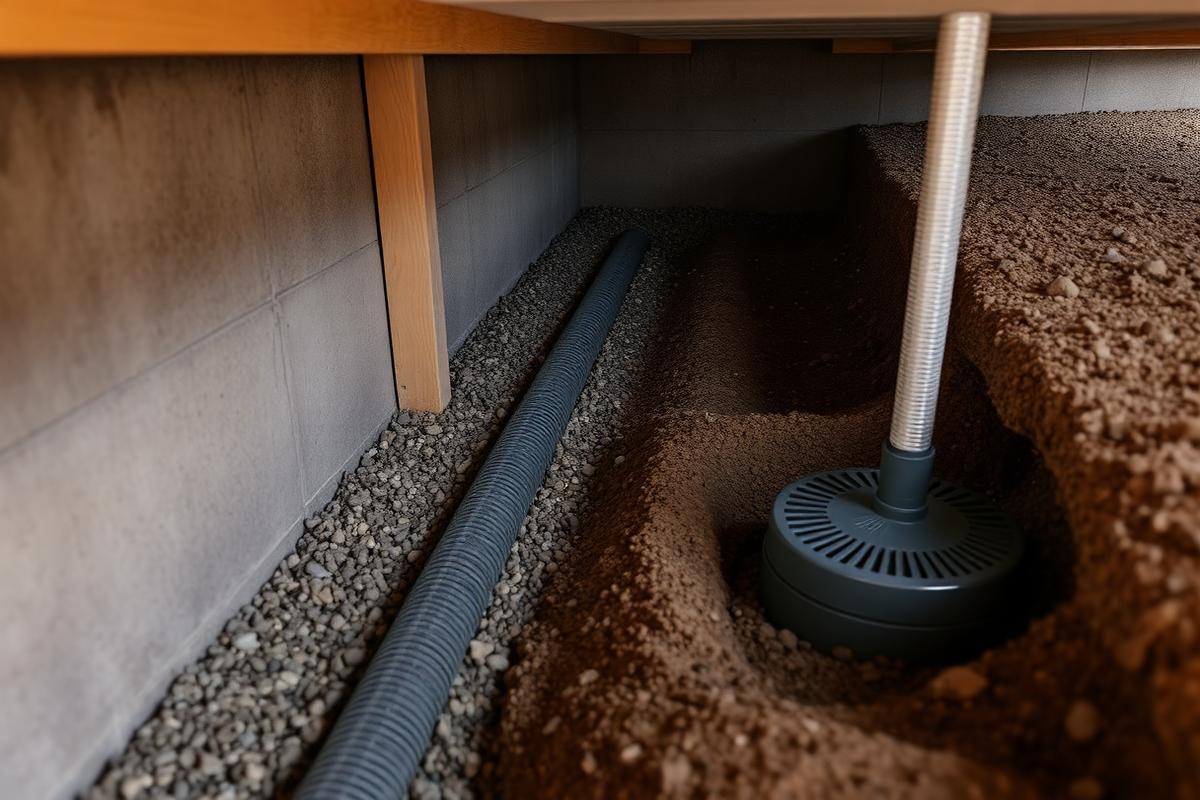
- Interior perimeter drainage. A gravel-bedded drain line around the inside of the footing collects water and routes it to a collection point. See crawl space drainage.
- Sump basin and pump. Where water cannot gravity-drain to daylight, a sealed basin and pump discharge it well away from the house.
- Wall and penetration sealing. Sealing block cores, vent wells and pipe penetrations closes the routes seepage uses.
- Sealed liner over the corrected soil. Once water is managed, a reinforced vapor barrier stops the remaining soil vapor.
Process from inspection to dry crawl space
- 1Walk the exterior: grading, gutters, downspout discharge, hardscape and low spots.
- 2Enter the crawl space and trace staining, silt lines and flow paths back to the entry point.
- 3Check plumbing and condensate lines for leaks that mimic groundwater.
- 4Specify the drainage method the site actually needs, not a default package.
- 5Install drainage and discharge, then seal walls and penetrations.
- 6Install the barrier and, where required, humidity control.
Have Water Under Your Home?
Recurring water is a drainage question before it is a plastic question. We trace the source and quote the fix.
Get a Free Crawl Space EstimateCost factors for waterproofing
Linear footage of drain line, depth of excavation in clay, sump and discharge routing, and access difficulty are the main drivers. Exterior corrections are usually the least expensive element and the most overlooked. See the cost guide for how drainage changes a full project budget.
Georgia-specific considerations
Clay-heavy soils drain slowly, so water that reaches the foundation lingers rather than percolating away. In hilly parts of North Georgia, houses cut into a slope take on water on the uphill side. Nearer the coast, a shallow water table means groundwater rather than runoff is often the source, which changes the design.
Crawl space waterproofing FAQs
- What is the difference between waterproofing and encapsulation?
- Waterproofing manages liquid water — runoff, groundwater and seepage — using grading, drainage, sumps and sealing details. Encapsulation manages vapor and humid air with a sealed liner and dehumidification. Wet crawl spaces usually need both, in that order.
- Can waterproofing be done from inside the crawl space?
- Often, yes. Interior perimeter drains and a sump basin collect water and pump it away without excavating the exterior. Exterior work is added when the source is clearly surface runoff or a failed exterior drain.
- How quickly should water disappear after rain?
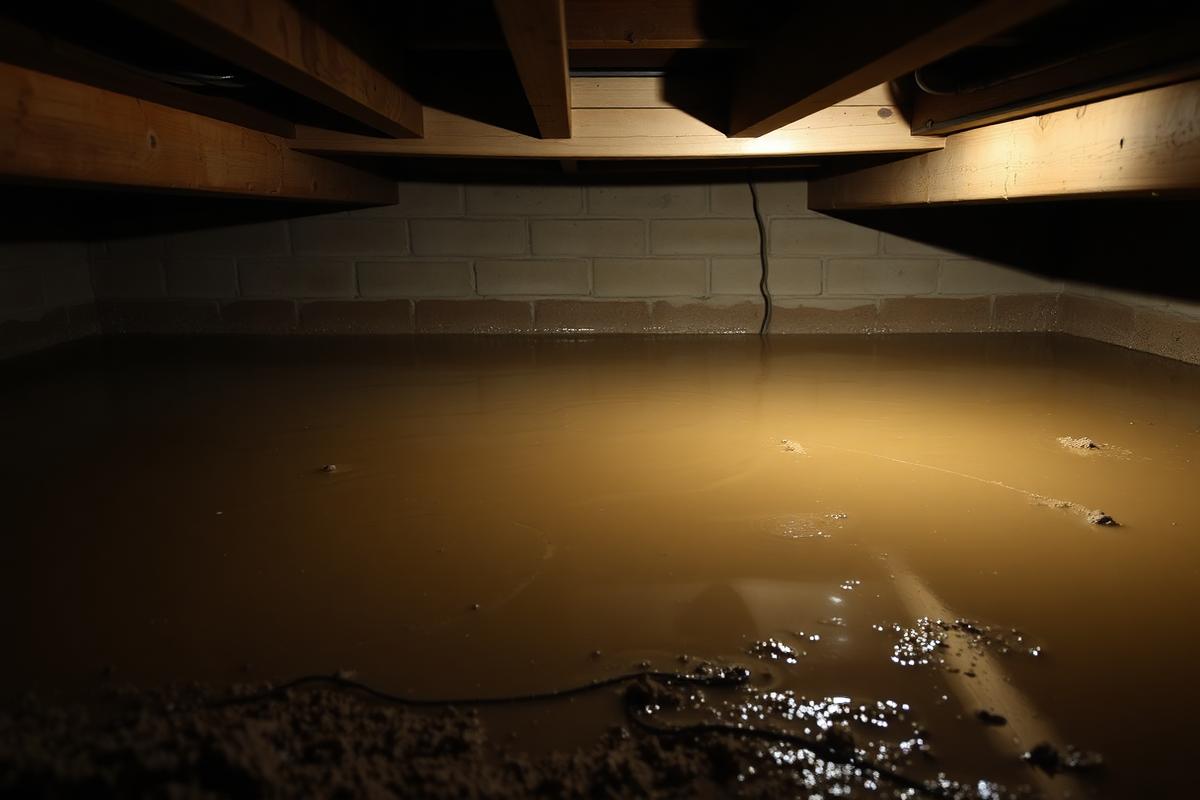
- A properly drained crawl space should not hold visible water at all. If puddles remain a day or more after a storm, the space is not draining and the soil under the barrier stays saturated.
- Does a sump pump need a backup?
- In areas where power outages accompany the heaviest storms, a battery backup is worth considering. It is optional, and we will say plainly whether your situation warrants it.
Related pages
Free estimate
Tell us what's happening under your house
Crawl space pricing depends on square footage, access, moisture source and how much repair work the framing needs. We inspect first, then quote the scope that actually solves the problem — not a package chosen before anyone looked.
- On-site inspection of drainage, grading, vapor barrier and framing
- Humidity and moisture readings where they matter
- Written scope showing what is required and what is optional